Category
Custom Chocolate Boxes
Premium custom packaging products created for your brand.
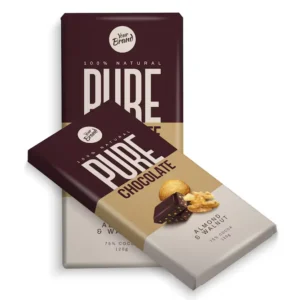
Chocolate Bar Boxes
View Product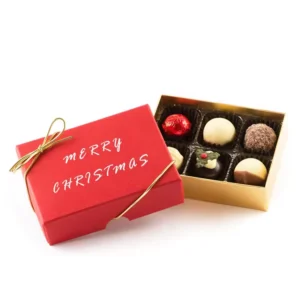
Custom Christmas Chocolate Boxes
View Product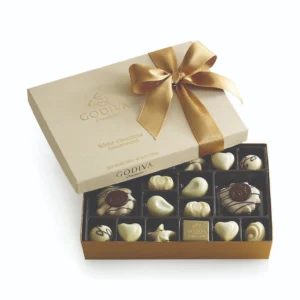
Custom Chocolate Gift Boxes
View Product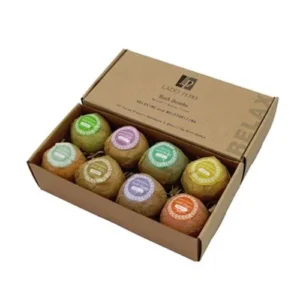
Custom Chocolate Bomb Boxes
View Product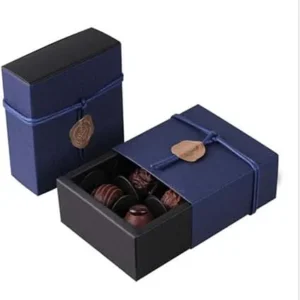
Chocolate Cavity Boxes Wholesale
View Product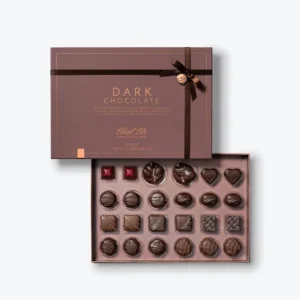
Custom Luxury Chocolate Boxes
View Product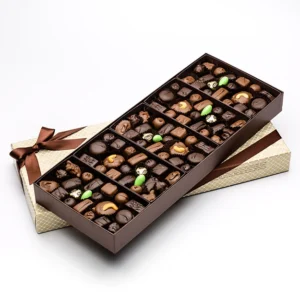
Custom Chocolate Candy Boxes
View ProductCustom Chocolate Boxes for UK Chocolate Brands
Present every bar, truffle and chocolate collection in packaging created around your products and brand.
Any Custom Boxes produces custom chocolate boxes for independent chocolatiers, confectionery start-ups, online sellers, gift businesses, retailers and established food brands. Your packaging can be tailored around the dimensions, quantity and arrangement of the chocolates rather than relying on a generic box that leaves products loose or poorly presented.
Choose your preferred box structure, paperboard, printed artwork and finishing details. Custom inserts, individual cavities, sleeves, dividers and windows can also be developed according to the type of chocolates you sell.
Whether you need simple cartons for chocolate bars, gift-ready boxes for handmade truffles or premium packaging for a seasonal collection, we can help you define a practical specification around your products, sales channel and budget.
Request a quote for your custom chocolate packaging today.
Chocolate Packaging Designed Around Your Products
Chocolate products differ considerably in size, shape, weight and presentation.
A single chocolate bar may need a printed sleeve or folding carton. Handmade truffles require individual cavities or cups, while a large assortment may need several layers, compartments or removable trays.
Custom dimensions give you greater control over:
- The number of chocolates inside each box
- Individual cavity dimensions
- Space around chocolate cups or wrappers
- Product movement
- Chocolate-bar alignment
- Layer and tray placement
- Printed label space
- Gift presentation
- Packing efficiency
- Retail display
- Postal dimensions
- Customer unboxing
When requesting a quotation, provide the dimensions of the chocolates as they will be packed.
Include any foil wrappers, paper cups, sealed inner bags, trays, tissue paper, ingredient cards and protective layers that will sit inside the finished box.
Custom Packaging for Different Chocolate Products
Your packaging structure should be selected according to the type of chocolate, how it is wrapped and where it will be sold.
Chocolate Bar Boxes
Custom chocolate bar boxes can be designed for:
- Standard chocolate bars
- Artisan chocolate bars
- Filled chocolate bars
- Protein chocolate
- Vegan chocolate
- Dark chocolate
- White chocolate
- Flavoured chocolate
- Mini chocolate bars
- Multipack collections
- Tasting bars
- Promotional bars
A bar may be packed in a sealed wrapper before being placed inside a printed carton or sleeve.
The outer box can display branding, flavour information, ingredients, allergens, nutrition information and product details while giving the bar a more structured retail presentation.
Related bar flavours can use one structural size with different colours or artwork versions, provided their finished wrapped dimensions remain consistent.
Chocolate Truffle Boxes
Truffle packaging can be developed for:
- Handmade truffles
- Ganache chocolates
- Pralines
- Caramels
- Filled chocolates
- Nut chocolates
- Liqueur chocolates
- Seasonal assortments
- Tasting collections
Individual cavities help separate chocolates and maintain an organised presentation.
The insert dimensions should account for the widest and tallest chocolates in the collection. Handmade products can vary slightly, so suitable clearance is important.
A box that is too tight may mark decorative toppings or make chocolates difficult to remove. Excessively large cavities can allow them to move or turn during handling.
Chocolate Selection Boxes
Assorted chocolate boxes can contain several flavours, shapes and fillings within one presentation.
The internal arrangement can include:
- Equal-sized cavities
- Different cavity sizes
- Removable trays
- Multiple layers
- A printed flavour guide
- Numbered positions
- Ingredient cards
- Ribbon lifts
- Protective pads
A clear selection guide helps customers identify each chocolate without repeatedly handling the products.
The guide can be printed on the inside of the lid, included as a separate card or positioned underneath the tray.
Chocolate Gift Boxes
Chocolate gift packaging can be created for:
- Birthdays
- Anniversaries
- Weddings
- Thank-you gifts
- Corporate gifts
- Christmas
- Valentine’s Day
- Easter
- Mother’s Day
- Father’s Day
- Eid
- Diwali
- Product launches
Gift boxes can combine printed branding with foil, embossing, decorative sleeves, ribbon details or personalised messages.
The packaging should still be practical to pack, store and transport. Decorative elements should not make the box unnecessarily difficult to assemble or protect.
Chocolate Tasting Boxes
Tasting boxes can hold several chocolate origins, cocoa percentages or flavour combinations.
The internal layout can be numbered so customers can follow a specific tasting order.
Packaging can include:
- Tasting notes
- Cocoa-origin information
- Flavour descriptions
- Recommended tasting sequence
- QR codes
- Pairing suggestions
- Brand story
- Product information
Small chocolates or tasting pieces should remain separated so flavours and surfaces are not affected by contact with neighbouring products.
Chocolate-Covered Product Boxes
Custom boxes can also be designed for:
- Chocolate-covered nuts
- Chocolate-covered fruit
- Chocolate-coated biscuits
- Chocolate pretzels
- Chocolate dates
- Chocolate honeycomb
- Chocolate clusters
- Chocolate strawberries
- Chocolate-dipped treats
The packaging format should account for the shape, weight, inner wrapping and expected product movement.
Fragile coated products may require deeper cavities or additional clearance to reduce pressure on the chocolate surface.
Custom Chocolate Boxes for Independent UK Businesses
Small chocolate businesses need packaging that looks professional without creating unnecessary stock, cost or complexity.
Custom packaging can support:
- Independent chocolatiers
- Home-based chocolate businesses
- Farm shops
- Delicatessens
- Bakery businesses
- Confectionery start-ups
- Online chocolate shops
- Gift companies
- Wedding suppliers
- Corporate-gifting businesses
- Hospitality brands
- Subscription-box companies
- Private-label products
- Seasonal market sellers
Before requesting your boxes, consider:
- How many chocolates will be packed in each box
- How many box sizes are genuinely required
- Whether products are handmade or uniform
- How many artwork versions you need
- Your realistic sales forecast
- Available packaging storage
- Your packing and assembly time
- Seasonal launch dates
- Required delivery dates
- Whether products will be posted
- Whether boxes can be reused for several collections
- Whether physical samples are needed
One structural size may sometimes be used for several flavours or collections by changing the printed sleeve, label or insert card.
However, the shared box should still fit every product properly and leave enough room for the correct inner packaging.
Popular Custom Chocolate Box Styles
The right structure depends on the chocolate format, number of pieces, retail environment and desired presentation.
Folding Chocolate Cartons
Folding cartons are normally supplied flat and assembled during packing.
They are suitable for:
- Chocolate bars
- Small confectionery products
- Mini assortments
- Retail packs
- Samples
- Promotional products
Available structures can include:
- Straight tuck-end boxes
- Reverse tuck-end boxes
- Auto-lock bottom cartons
- Seal-end cartons
- Window boxes
- Hang-tab boxes
- Sleeves
Folding cartons use less storage space than assembled rigid boxes and can be practical for businesses packing products in regular batches.
Two-Piece Chocolate Boxes
A two-piece box has a separate lid and base.
This familiar gift-box structure is suitable for:
- Truffle collections
- Praline assortments
- Chocolate gift sets
- Wedding favours
- Corporate gifts
- Seasonal collections
The lid can be shallow, full-depth or designed with a contrasting colour to the base.
A fitted tray or cavity insert can hold chocolates in an organised arrangement.
Sleeve-and-Tray Boxes
A sliding tray and outer sleeve create a controlled product reveal.
This format works well for:
- Chocolate bars
- Truffle collections
- Tasting sets
- Luxury confectionery
- Limited editions
- Corporate gifts
Different printed sleeves can identify separate flavours or seasonal ranges while the inner tray remains consistent.
A thumb cut-out or ribbon pull can make the tray easier to open.
Drawer Chocolate Boxes
Drawer boxes provide a premium sliding presentation and can hold one or several layers of chocolates.
They can include:
- A ribbon pull
- Printed interior
- Fitted cavities
- A flavour guide
- A protective pad
- An outer sleeve
The drawer should slide smoothly without being so loose that it opens during normal handling.
Rigid Chocolate Boxes
Rigid boxes are made using strong board wrapped with printed, coloured or textured paper.
They create a substantial presentation for:
- Luxury chocolates
- Premium gift sets
- Corporate gifts
- Product launches
- Wedding collections
- Limited editions
Rigid boxes normally arrive assembled and therefore require more storage space than flat-packed cartons.
They may also need a separate protective shipping carton when delivered through a parcel network.
Magnetic Closure Chocolate Boxes
Magnetic boxes provide a structured opening experience and can be suitable for luxury gift collections.
They can be combined with:
- Fitted chocolate trays
- Ribbon pulls
- Printed inner lids
- Decorative sleeves
- Foil logos
- Personalised cards
Magnets and other mixed components should be considered when preparing disposal or recycling information.
Book-Style Chocolate Boxes
A book-style box opens from one side and can create a storytelling-led presentation.
The inside cover can display:
- Brand history
- Flavour descriptions
- Cocoa-origin information
- A seasonal message
- Corporate branding
- Tasting guidance
The main tray can hold chocolates in one or several sections.
Window Chocolate Boxes
A die-cut window allows customers to see part of the product arrangement without opening the box.
Windows can be used for:
- Chocolate bars
- Truffles
- Chocolate-covered products
- Wedding favours
- Seasonal collections
- Retail gift sets
The window should be positioned without weakening an important fold or covering required product information.
The complete window material should be considered before making plastic-free or recycling claims.
Heart-Shaped Chocolate Boxes
Heart-shaped boxes are often used for Valentine’s Day, anniversaries, weddings and romantic gifts.
This structure may require more development than a standard rectangular box, particularly when a fitted cavity tray is required.
Its shape should be assessed against storage, shipping and outer-carton requirements.
Chocolate Ballotins
Ballotin-style boxes use folded sides and a distinctive traditional confectionery shape.
They can be suitable for small truffle collections, pralines and gift assortments.
The internal arrangement may use chocolate cups rather than a rigid cavity tray, depending on the product and presentation.
Chocolate Hamper Boxes
Large gift boxes and hamper cartons can hold several packaged chocolate products within one collection.
Dividers or platforms can organise:
- Chocolate boxes
- Chocolate bars
- Hot-chocolate products
- Biscuits
- Drinks
- Gift accessories
- Printed cards
The total packed weight and courier requirements should be considered before selecting the board and box structure.
Custom Chocolate Box Inserts and Trays
The insert controls how chocolates are arranged and how much they can move.
It can also influence how easy each chocolate is to remove.
Individual Chocolate Cavities
Individual cavities can be designed around the approximate diameter, width and height of each chocolate.
Before confirming a cavity size, consider:
- Chocolate-cup dimensions
- Decorative toppings
- Product variation
- Removal space
- Product height
- Protective lid clearance
- Movement during handling
A finger gap or suitable spacing can make chocolates easier to lift without touching neighbouring pieces.
Cardboard Inserts
Die-cut or folded cardboard inserts can create:
- Product platforms
- Dividers
- Retaining sections
- Layer separators
- Bar compartments
- Gift-set sections
Cardboard inserts can be printed to coordinate with the outer box or supplied in a simple white or Kraft finish.
Chocolate should not be placed directly against an insert unless the material has been assessed for the intended food-contact use.
Chocolate Cups
Paper cups can help separate individual chocolates and support presentation.
The cup size should match the base and width of the chocolate without crushing decorative edges.
Cup colour can be coordinated with the box design, but the suitability of the material for its intended food use should be confirmed.
Plastic or Formed Trays
Formed trays can provide consistent cavities for larger production runs and uniform products.
The correct tray material, food-contact documentation, tooling and minimum quantities should be considered before production.
A tray should hold the chocolate without creating pressure marks or making removal difficult.
Moulded Fibre Inserts
Moulded-fibre trays may be considered for suitable products and production volumes.
The surface, cavity definition, food-contact suitability and potential grease interaction should all be reviewed against the intended chocolate product.
Layer Pads
Protective pads can separate stacked trays and reduce contact between chocolates and the underside of the next layer.
The complete internal height should include each tray, chocolate, pad and removal allowance.
Ribbon Lifts
Ribbon lifts can make trays or packaged chocolate bars easier to remove from a close-fitting box.
Their position should be tested to ensure they lift the product evenly.
Plan the Correct Chocolate Cavity Size
Cavity dimensions should be based on the chocolates that will actually be packed, not only an early drawing.
Handmade chocolates may differ slightly between batches.
Measure several representative pieces and record:
- Maximum width
- Maximum length
- Maximum height
- Base size
- Decorative topping height
- Cup dimensions
- Wrapper dimensions
Use the largest realistic measurements when planning clearance.
A cavity that is too small may:
- Damage decoration
- Mark the chocolate surface
- Crush the paper cup
- Make the product difficult to remove
A cavity that is too large may:
- Allow movement
- Turn the chocolate sideways
- Create an untidy arrangement
- Increase the overall box size
Physical sampling is particularly useful when the chocolates are handmade, unusually shaped or arranged across multiple layers.
Direct Food Contact and Inner Packaging
The printed outer box should not automatically be treated as suitable for direct contact with unwrapped chocolate.
Depending on the product, the complete packaging format may include:
- A sealed wrapper
- Foil
- Flow wrap
- Chocolate cups
- A food-contact tray
- Grease-resistant paper
- An inner bag
- Protective sheets
- A suitable liner
Tell us whether the chocolate will be fully wrapped, individually cupped or placed directly within an internal tray.
Any material intended to touch the chocolate should be specified and documented for that intended use.
Food-contact suitability can depend on:
- The material
- Printing inks
- Coatings
- Adhesives
- Temperature
- Contact time
- Fat content
- Intended storage conditions
The responsible food business should check the complete packaging system rather than relying on the appearance of the outer box.
Protect Packaging from Chocolate Grease and Oils
Chocolate contains fats that may mark some untreated paper and board surfaces.
Grease marks can affect both presentation and box strength, particularly where unwrapped products sit directly against unsuitable materials.
Depending on the product, you may need:
- Individual chocolate cups
- A suitable tray
- Grease-resistant paper
- Inner wrapping
- A protective liner
- A sealed bag
- Additional separation from printed surfaces
Do not describe a standard paperboard box as greaseproof unless its complete approved material specification supports that claim.
Testing with the actual chocolate product can help identify staining, transfer or surface problems before a larger order is produced.
Chocolate Packaging and Temperature
A printed chocolate box provides presentation and physical containment, but it does not control temperature.
Chocolate products can be affected by unsuitable heat, direct sunlight and changing storage conditions.
When planning fulfilment and delivery, consider:
- Storage temperature
- Warehouse conditions
- Delivery season
- Time in transit
- Vehicle temperature
- Direct sunlight
- Insulated outer packaging
- Cool packs where appropriate
- Delivery-day selection
- Customer storage instructions
A decorative box should not be promoted as preventing melting unless the complete temperature-controlled packaging system has been assessed for the intended delivery conditions.
Chocolate businesses should define their own storage and distribution controls according to the product formulation and supply chain.
Protect Chocolates During Postal Delivery
Chocolate boxes sold online may pass through conveyors, depots, delivery vehicles and several handling stages.
The presentation box may therefore require a separate corrugated outer carton.
A typical postal format can include:
- Individually wrapped or cupped chocolates
- A fitted tray or insert
- A protective top pad
- The branded chocolate box
- A close-fitting shipping carton
- Paper cushioning where required
- Suitable sealing materials
Postal packaging should help reduce:
- Product movement
- Lid opening
- Surface scuffing
- Crushed corners
- Compression
- Impact against outer walls
- Courier-label damage
- Movement between stacked trays
A premium rigid box should not automatically be treated as courier-ready packaging.
Where appearance matters, use an additional outer carton to protect the printed gift box during delivery.
Retail Chocolate Packaging
Retail packaging should help customers understand the product quickly.
Your printed chocolate box can include:
- Brand name
- Product name
- Chocolate type
- Flavour
- Cocoa percentage
- Number of pieces
- Net weight
- Ingredients
- Highlighted allergens
- Nutrition information
- Storage instructions
- Best-before area
- Batch or lot area
- Business details
- Barcode
- Country-of-origin information where applicable
- Suitable warnings
- QR code
- Disposal guidance
The front panel should remain clear and easy to recognise.
Detailed information can be organised across the back, side or base panels.
Important information should not be placed across:
- Cut lines
- Creases
- Closing flaps
- Glue sections
- Window openings
- Decorative foil areas
- Heavily embossed areas
Leave suitable blank space where dates, batches or other variable details will be added after printing.
Custom Chocolate Boxes for E-Commerce
E-commerce packaging needs to deliver both protection and presentation.
A well-planned online chocolate pack should consider:
- Product temperature
- Shipping distance
- Box strength
- Chocolate movement
- Gift-box protection
- Courier labels
- Opening instructions
- Returns or failed delivery
- Seasonal weather
- Customer storage guidance
A branded mailer box may be suitable as the main presentation package for selected wrapped products.
Luxury chocolate collections may use a separate presentation box inside a protective postal carton.
Interior printing can include:
- A thank-you message
- Flavour guide
- Storage instructions
- Gift message
- QR code
- Brand story
- Social media details
- Reorder information
- Discount code
Corporate Chocolate Gift Boxes
Branded chocolate boxes can be created for:
- Client gifts
- Employee gifts
- Conferences
- Product launches
- Hospitality events
- New-business campaigns
- Christmas gifting
- Staff recognition
- Promotional mailers
Corporate packaging can feature:
- Company logo
- Campaign colours
- Recipient name
- Printed message
- Event branding
- Custom sleeve
- Branded flavour card
- QR code
- Product information
Where several businesses or recipients require different branding, variable sleeves or insert cards may be more practical than manufacturing a completely separate box structure for each version.
Corporate projects should be planned early enough to allow for artwork approval, chocolate production, box production, packing and final distribution.
Wedding and Event Chocolate Boxes
Personalised chocolate packaging can be developed for:
- Wedding favours
- Engagement events
- Birthdays
- Baby showers
- Anniversaries
- Corporate dinners
- Award ceremonies
- Charity events
- Product launches
Small favour boxes can hold one or several wrapped chocolates.
Personalisation can include:
- Names
- Event date
- Initials
- Venue details
- Thank-you message
- Colour theme
- Foil monogram
- Printed sleeve
- Ribbon
- Gift tag
All names, dates and event details should be checked carefully before production approval.
Seasonal Chocolate Packaging
Chocolate products are closely connected with seasonal gifting.
Custom boxes can be developed for:
Christmas
Christmas chocolate packaging may use festive colours, winter illustrations, foil details, gift messages or branded sleeves.
Avoid printing a specific year when you want unused packaging to remain usable for a future season.
Valentine’s Day
Valentine’s boxes can include heart-shaped structures, romantic artwork, red or neutral palettes and personalised messages.
A standard box with a limited-edition sleeve may reduce the risk of leftover date-specific packaging.
Easter
Easter chocolate packaging may require additional space for shaped products, eggs, protective trays and fragile decorations.
Large hollow products need suitable clearance so the outer box and insert do not place pressure on the chocolate shell.
Eid and Ramadan
Chocolate boxes can be designed with respectful festive artwork, geometric patterns, metallic details and gift messages.
All wording and cultural references should be checked carefully before printing.
Diwali
Diwali chocolate packaging can use rich colours, decorative patterns, fitted assortments and premium foil details.
Mother’s Day and Father’s Day
An evergreen chocolate box can be adapted using a seasonal sleeve, sticker, belly band or insert card.
Materials for Custom Chocolate Boxes
Material selection affects the strength, print appearance, storage requirements and presentation of the box.
Folding Boxboard
Folding boxboard provides a smooth surface for detailed printing and is suitable for:
- Chocolate-bar cartons
- Small gift boxes
- Sleeves
- Folding truffle boxes
- Retail packaging
It can support product photography, illustrations, patterns and full-colour designs.
Cardboard and Paperboard
Paperboard is a practical option for lightweight chocolate products, sleeves and gift cartons.
The thickness should be selected according to the box dimensions, structure, product weight and insert.
Kraft Paperboard
Kraft board has a natural brown appearance that can suit handmade, organic-style and minimalist chocolate brands.
The board colour affects how inks appear, so artwork should be prepared with the natural material shade in mind.
Kraft appearance alone should not be used as evidence for environmental or food-contact claims.
Corrugated Board
Corrugated board provides additional structure and is suitable for:
- Postal chocolate boxes
- Shipping cartons
- Large assortments
- Chocolate hampers
- Subscription boxes
- Protective outer packaging
The suitable flute and board grade depend on the box dimensions, packed weight and delivery environment.
Rigid Board
Rigid board provides a substantial premium presentation for luxury chocolate collections and corporate gifts.
It can be wrapped with printed, coloured or textured paper and combined with a fitted tray.
Rigid boxes are generally supplied assembled and may need more storage space.
Recycled-Content Materials
Recycled-content paperboard and corrugated options may be considered for suitable projects.
Confirm the exact material composition, food-contact role and recycled-content percentage before making printed or online claims.
Printed Chocolate Boxes with Your Logo
Custom printing helps customers recognise your chocolate products in shops, online photographs and gift collections.
Your artwork can include:
- Company logo
- Brand colours
- Product name
- Chocolate illustrations
- Product photography
- Flavour names
- Cocoa-origin information
- Ingredients
- Allergens
- Nutrition information
- Tasting notes
- Barcode
- QR code
- Social media details
- Website address
- Gift message
- Interior printing
Depending on the material, design and quantity, suitable production methods may include digital, offset or flexographic printing.
Full-Colour Printing
Full-colour printing is suitable for photographs, detailed illustrations, gradients and multicoloured patterns.
Pantone Colour References
Pantone references can help communicate specific brand colours.
The final printed appearance may still be influenced by the board shade, coating and finishing process.
Single-Colour Printing
Single-colour artwork can create a clear and understated result on Kraft or white paperboard.
Interior Printing
The inside of the lid or box can include:
- A flavour guide
- Brand story
- Tasting instructions
- Thank-you message
- Seasonal greeting
- QR code
- Storage instructions
The design should be positioned where customers can see it easily after opening the packaging.
Luxury Finishes for Chocolate Packaging
Selected finishing options can help create contrast and communicate a premium product position.
Matte Lamination
A low-shine finish suited to contemporary, understated and luxury chocolate designs.
Gloss Lamination
A reflective finish that can increase colour vibrancy and create a polished appearance.
Soft-Touch Lamination
A tactile finish that can give rigid and folding boxes a smooth premium feel.
Foil Stamping
Gold, silver or coloured foil can highlight:
- Logos
- Product names
- Borders
- Cocoa illustrations
- Seasonal details
- Monograms
Foil is often most effective when applied to selected areas rather than the entire design.
Spot UV
Spot UV adds gloss to specific design elements while the surrounding area remains matte.
Embossing and Debossing
Embossing raises a logo or pattern from the box surface, while debossing presses it inward.
Die-Cut Windows
A window can reveal the chocolates or inner tray.
The final structure should still provide suitable protection from handling and light according to the product requirements.
Textured Papers
Rigid boxes can be wrapped in textured or coloured papers to create a distinctive tactile presentation.
The selected paper should be tested with the required printing and decorative processes.
Sleeves and Belly Bands
A printed sleeve can adapt an evergreen box for different flavours, corporate clients or seasonal collections.
This can provide more flexibility than producing a completely new box for every version.
Create a Consistent Chocolate Packaging Range
A coordinated packaging system can make different flavours and collections recognisable as part of one brand.
Elements that can remain consistent include:
- Logo position
- Typography
- Product-name hierarchy
- Ingredient-panel position
- Allergen-information area
- Barcode location
- Illustration style
- Box-opening direction
- Tray layout
- Interior message
Different flavours can then be identified through:
- Colour variations
- Ingredient illustrations
- Flavour names
- Cocoa percentages
- Printed sleeves
- Labels
- Product photographs
Where products share similar dimensions, one structural box may be used with several printed versions.
The quantity required for every design should be included in the quotation request.
Prepare Artwork for Chocolate Boxes
Correct artwork preparation can reduce avoidable production delays.
Before sending your design, check:
- Logo quality
- Image resolution
- Colour settings
- Fonts
- Product names
- Flavour names
- Ingredients
- Allergens
- Nutrition information
- Net weight
- Storage instructions
- Business details
- Barcodes
- QR codes
- Best-before space
- Batch-coding space
- Spelling
- Bleed
- Safe areas
- Cut lines
- Fold lines
- Glue areas
Important text and logos should remain inside the designated safe area.
Background colours and images that reach the edge should extend into the artwork bleed.
Do not place essential information across folds, closures, window openings or glue sections.
The food business approving the artwork should verify all product information, claims and legal wording before printing.
Samples and Prototypes
A sample can help confirm the structure and product fit before a larger order is produced.
Depending on the project, options may include:
Digital Artwork Proof
A flat digital proof shows how the artwork is positioned across the dieline.
It is useful for checking text and panel orientation but does not demonstrate physical box strength or exact finished colour.
Three-Dimensional Visual
A digital visual provides an approximate assembled view of the box.
It can help explain the design but should not replace physical testing where chocolate fit is important.
Plain Structural Sample
An unprinted sample can help check:
- Box dimensions
- Chocolate-tray fit
- Cavity size
- Product removal
- Lid clearance
- Assembly
- Layer arrangement
Printed Sample
A printed sample can provide a closer indication of the final artwork and finish.
Availability and cost depend on the box style, material, printing process and finishing details.
Physical samples should be checked using representative chocolates, cups, wrappers and inserts.
Food Information and Allergen Space
Chocolate packaging artwork should provide enough room for the information required for the product and the way it is sold.
Depending on the product, the artwork may need designated space for:
- Name of the food
- Ingredients
- Highlighted allergens
- Net quantity
- Nutrition information
- Best-before information
- Storage conditions
- Business name and address
- Country-of-origin information where applicable
- Lot or batch details
- Suitable warnings
- Barcode
- Instructions
- Claims and certifications
The information should remain clear, readable and easy to locate.
Allergen information should not be hidden by decorative artwork or placed across difficult-to-read folds.
Any “free from”, vegan, organic, ethical, nutritional or environmental claims should be checked by the responsible chocolate business before artwork approval.
Packaging design and printing services do not replace independent food-labelling advice.
Packaging and Environmental Claims
Chocolate packaging can contain several different materials, including board, trays, cups, windows, foil, laminations, adhesives and ribbons.
Before describing the finished pack as recyclable, recycled, reusable, biodegradable, compostable or plastic-free, confirm:
- Outer-board material
- Insert or tray material
- Window material
- Chocolate cups
- Inner wrappers
- Laminations
- Foil
- Adhesives
- Magnets
- Ribbons
- Coatings
- Local collection requirements
- Material-separation instructions
A paper-based outer box may contain additional components that need to be separated before disposal.
Use specific statements supported by the final material specification rather than broad wording such as “completely eco-friendly”.
How to Order Custom Chocolate Boxes
1. Tell Us About Your Chocolates
Provide:
- Chocolate type
- Individual dimensions
- Number of pieces per box
- Product weight
- Required quantity
- Number of flavours or designs
- Delivery postcode
- Required delivery date
Include photographs or product samples where available.
2. Explain the Inner Packaging
Tell us whether the chocolates will use:
- Wrappers
- Foil
- Paper cups
- A food-contact tray
- Grease-resistant paper
- A sealed inner bag
- Another protective format
3. Select the Box Style
Choose a folding carton, two-piece box, drawer box, rigid box, sleeve-and-tray structure or another suitable format.
4. Plan the Internal Layout
Confirm:
- Cavity dimensions
- Number of rows
- Number of layers
- Flavour-guide position
- Product-removal method
- Protective top clearance
5. Choose the Material
Select paperboard, Kraft board, corrugated board or rigid board according to the product and intended presentation.
6. Prepare Your Artwork
Send your logo, colours, product information and full packaging design.
A dieline can be used to place artwork accurately on each panel.
7. Review the Proof
Check:
- Dimensions
- Number of pieces
- Ingredients
- Allergens
- Nutrition information
- Net weight
- Product names
- Barcodes
- QR codes
- Storage information
- Best-before area
- Batch area
- Contact details
- Spelling
8. Test a Sample Where Required
Use representative chocolates and all inner components to assess fit, product removal and overall presentation.
9. Approve Production
Once the dimensions, material, insert, artwork and finishes have been approved, the packaging can move into production.
Production and delivery timing will depend on the complete specification.
Why Choose Any Custom Boxes?
Any Custom Boxes helps chocolate businesses develop packaging around their products, branding and sales channel.
Your packaging can be specified with:
- Bespoke dimensions
- Printed exterior artwork
- Interior printing
- Chocolate-specific inserts
- Individual cavities
- Multi-layer arrangements
- Retail and e-commerce formats
- Folding, corrugated and rigid structures
- Kraft and white-board options
- Standard or premium finishes
- Multiple artwork versions
- Flat-packed options where suitable
- Quantity-based quotations
- Sampling options where available
From a simple carton for one chocolate bar to a premium gift box containing a complete assortment, your packaging can be developed around the experience you want to give your customers.
Frequently Asked Questions
What are custom chocolate boxes?
Custom chocolate boxes are packaging boxes manufactured according to the preferred dimensions, structure and branding of a chocolate product.
They can be designed for bars, truffles, pralines, tasting sets and gift collections.
Can chocolate boxes be made in custom sizes?
Yes. The dimensions can be developed around the chocolates, wrappers, cups, trays and number of pieces required.
Provide accurate measurements of the complete packed product when requesting a quote.
Can I print my logo on chocolate boxes?
Yes. Your logo, brand colours, product information and custom artwork can be printed on the exterior or interior of the box.
Which box style is best for chocolates?
Folding cartons work well for chocolate bars and lightweight retail products. Two-piece and drawer boxes suit gift assortments, while rigid boxes create a premium presentation.
The best format depends on the product, quantity and sales channel.
Can you make boxes for chocolate bars?
Yes. Chocolate bar packaging can include printed sleeves, tuck-end cartons, window boxes and multipack cartons.
The box should be sized around the fully wrapped bar.
Can you create truffle-box inserts?
Yes. Inserts can be developed with individual cavities, dividers or positions for chocolate cups.
The dimensions should account for product variation and decorative toppings.
Can chocolates touch the cardboard box directly?
A printed outer box should not automatically be treated as suitable for direct chocolate contact.
Depending on the product, suitable cups, wrappers, trays, liners or other food-contact materials may be required.
Are chocolate cups available?
Chocolate boxes can be designed around individual paper cups or suitable formed trays.
Cup and tray availability depends on the required dimensions, material and quantity.
Can the inside of the chocolate box be printed?
Yes. Interior printing can include a flavour guide, brand story, thank-you message, tasting instructions, QR code or seasonal greeting.
Can I add a window to the box?
A die-cut window may be added to suitable box structures.
Its position should be planned around the chocolates, printed information and structural folds.
Are Kraft chocolate boxes available?
Kraft paperboard and Kraft corrugated materials may be available for suitable packaging formats.
The natural board shade should be considered when selecting artwork colours.
Can you make luxury chocolate gift boxes?
Rigid, magnetic, drawer and two-piece boxes can be developed for premium chocolate collections.
They can be combined with fitted inserts, foil, embossing, sleeves and interior printing.
Are chocolate boxes suitable for postal delivery?
Some corrugated mailer boxes can be designed for suitable postal products.
Lightweight cartons and rigid gift boxes may require an additional corrugated shipping carton.
Does a chocolate box prevent melting?
A standard printed box does not provide temperature control.
Chocolate businesses should plan storage, insulation and delivery arrangements according to their product and distribution conditions.
Can I order boxes for several flavours?
Yes. One structure can be produced with different colours, designs, sleeves or labels for separate flavours.
Include the required quantity for each artwork version in your quotation request.
Can you make seasonal chocolate packaging?
Yes. Boxes can be designed for Christmas, Easter, Valentine’s Day, Eid, Diwali, Mother’s Day and other gifting occasions.
Can I use one box for several seasons?
An evergreen outer box can be adapted with removable sleeves, stickers, belly bands or insert cards.
This can reduce the risk of unused date-specific packaging.
Do the boxes arrive flat?
Folding cartons and many corrugated boxes are normally supplied flat.
Rigid boxes are generally delivered assembled. The supply format depends on the selected structure.
What is the minimum order quantity?
Minimum quantities depend on the dimensions, box structure, material, insert, printing, finishes and number of artwork versions.
Provide your target quantity so suitable production options can be considered.
Can I request a sample?
Sampling options depend on the box structure, material, insert and finishing requirements.
Available options may include a digital proof, structural sample, printed prototype or production sample.
How long does production take?
Production time depends on the dimensions, quantity, material, artwork approval, insert and finishing processes.
The estimated production and delivery schedule should be confirmed with your quotation.