







































Category
Auto Parts Packaging
Premium custom packaging products created for your brand.

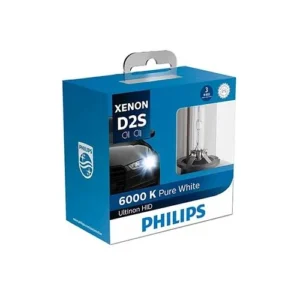
Car Diffuser Packaging
View Product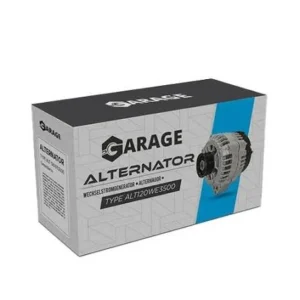
Car Parts Packaging
View Product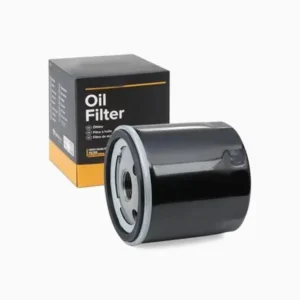
Oil Filter Boxes
View Product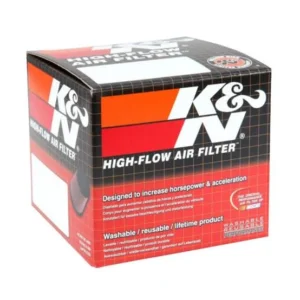
Air Filter Packaging
View Product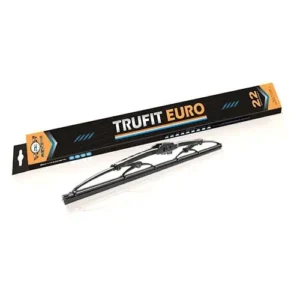
Wiper Blade Packaging
View Product
Spark Plug Boxes
View ProductCustom Auto Parts Packaging for UK Businesses
Protect automotive components with packaging designed around their size, weight, shape and distribution requirements.
Any Custom Boxes creates custom auto parts packaging for UK aftermarket brands, spare-parts retailers, manufacturers, garages, online sellers and automotive distributors. From lightweight filter cartons to reinforced corrugated boxes for heavier components, every packaging specification can be developed around the actual part.
Choose custom dimensions, suitable board materials, printed branding and protective internal fittings. Inserts, partitions, sleeves and retaining supports can also be designed to limit movement and keep accessories organised.
Whether your parts are displayed in a retail shop, stored in a warehouse or delivered directly to customers, we can help you create packaging that balances protection, identification and professional presentation.
Request a quote for your custom automotive packaging today.
Packaging Designed Around the Automotive Part
Automotive components vary significantly in weight, shape, surface finish and sensitivity.
A spark plug does not require the same packaging as a brake disc. A sensor needs different support from a metal bracket, while a painted accessory may require protection from rubbing and surface marks.
Custom auto parts boxes give you greater control over:
- Internal product fit
- Weight distribution
- Product movement
- Edge and corner protection
- Accessory separation
- Surface protection
- Box strength
- Warehouse identification
- Retail presentation
- Shipping dimensions
- Packing efficiency
- Returns handling
When requesting a quotation, provide details about the complete packed component rather than only its basic external measurements.
Tell us about projecting bolts, connectors, sharp edges, flexible cables, mounting brackets, protective bags, instructions and accessories that will be placed inside the packaging.
Custom Packaging for Different Auto Parts
Automotive packaging can be developed for individual replacement parts, product kits and complete component ranges.
Engine Parts Packaging
Custom boxes can be specified for:
- Pistons
- Valves
- Bearings
- Gaskets
- Timing components
- Engine mounts
- Spark plugs
- Glow plugs
- Belts
- Tensioners
- Pulleys
- Sensors
- Seals
- Small engine assemblies
Metal parts may have concentrated weight or projecting areas that can damage an unsuitable box. A fitted insert, reinforced base or internal pad can help distribute the load more effectively.
Where corrosion protection is required, suitable wraps, bags or barrier materials may need to be used as part of the complete packaging system.
Brake Parts Packaging
Automotive boxes can be designed for:
- Brake pads
- Brake discs
- Brake shoes
- Brake drums
- Callipers
- Brake hoses
- Brake sensors
- Fitting kits
Brake components can be dense and heavy relative to their size. Packaging should be selected around the packed weight rather than dimensions alone.
Internal partitions can separate paired products and prevent metal components from rubbing together.
Filter Packaging
Printed cartons can be produced for:
- Oil filters
- Air filters
- Fuel filters
- Cabin filters
- Transmission filters
- Filter kits
Lightweight filters may be suitable for folding cartons, while larger products may require corrugated packaging.
The packaging can display part numbers, compatible vehicle information, fitting guidance and product specifications.
Suspension and Steering Parts
Packaging can be developed for:
- Ball joints
- Control arms
- Tie-rod ends
- Bushes
- Drop links
- Wheel bearings
- Steering components
- Suspension kits
- Mounting hardware
Irregular shapes and projecting metal areas should be considered during structural design. Reinforced end supports or corrugated fittings can help keep the part away from the outer walls.
Electrical Components and Sensors
Custom packaging can be created for:
- Vehicle sensors
- Switches
- Relays
- Wiring components
- Ignition parts
- Electronic control products
- Connectors
- Plugs
- Small modules
- Diagnostic accessories
Delicate pins, plugs and connectors should not carry pressure from the insert or outer box.
Some electronic automotive components may also require specialist electrostatic protection. Standard printed cardboard should not automatically be described as anti-static or ESD-protective.
Lighting Packaging
Automotive lighting boxes can be designed for:
- Headlight bulbs
- Indicator bulbs
- LED products
- Fog lights
- Rear lights
- Complete headlamp units
- Interior lighting
- Lighting accessories
Small bulbs may require fitted retail cartons, while larger lighting assemblies may need protective corrugated end caps and additional clearance around lenses.
The insert should hold the product through stronger structural areas rather than placing unnecessary pressure on delicate lenses or connectors.
Body and Exterior Parts
Custom packaging can be specified for:
- Wing-mirror components
- Grilles
- Trim pieces
- Badges
- Door handles
- Number-plate accessories
- Spoilers
- Decorative mouldings
- Exterior fittings
Painted, polished and decorative surfaces can be affected by rubbing, pressure and movement. Suitable wraps, sleeves, separators and non-abrasive contact materials may therefore be required.
Long or irregular products may need specially shaped corrugated cartons instead of standard rectangular boxes.
Interior Accessories
Packaging can be produced for:
- Car mats
- Seat accessories
- Interior trim
- Gear-knob accessories
- Organisers
- Mobile-device holders
- Dashboard accessories
- Cleaning accessories
- Storage products
Retail packaging can use windows, sleeves or printed cartons to make the product easy to identify while keeping all fitting components together.
Tools and Maintenance Products
Custom automotive boxes can hold:
- Hand tools
- Diagnostic tools
- Fitting kits
- Repair kits
- Cleaning sets
- Polishing accessories
- Tyre-repair products
- Maintenance accessories
- Workshop products
Heavy tools and mixed-component kits may require corrugated partitions, reinforced bases or fitted foam.
Smaller fittings should be separated so they do not move underneath larger components during transport.
Performance and Modification Parts
Branded packaging can be developed for:
- Performance filters
- Tuning accessories
- Exhaust components
- Styling accessories
- Suspension upgrades
- Engine-bay accessories
- Motorsport components
- Custom fitting kits
Performance brands can use packaging to communicate technical information and create a consistent appearance across multiple product ranges.
Protect Heavy Automotive Parts
Weight is one of the most important considerations when specifying auto parts packaging.
A compact metal component can place more stress on a box than a larger lightweight product. If the board, base or closure is unsuitable, the part may break through the packaging or move into an unsafe position.
Packaging for heavier automotive components may require:
- Stronger corrugated board
- Double-wall construction
- Reinforced bases
- Additional end panels
- Corrugated pads
- Load-spreading platforms
- Internal partitions
- Heavy-duty sealing
- Suitable handling labels
- A palletised distribution format
The total packed weight should include the part, fittings, insert, box and any additional protective material.
A packaging specification should not be selected from the external dimensions alone.
Control Sharp and Projecting Edges
Brackets, bolts, threads and machined edges can puncture or weaken packaging during handling.
Where a component has projecting areas, the internal design may include:
- Folded corrugated guards
- Protective caps
- End blocks
- Die-cut retaining sections
- Additional wall clearance
- Layer pads
- Separate accessory compartments
- Reinforced corner areas
Sharp or concentrated contact points should not rest directly against a weak section of the outer carton.
The part should be positioned so its stronger areas carry the main support wherever practical.
Reduce Movement Inside the Box
An automotive part can still be damaged inside a strong box if it is free to move.
Excessive movement can cause:
- Surface scratches
- Damaged connectors
- Bent fittings
- Crushed retail packaging
- Torn protective bags
- Loose accessories
- Impact against the outer walls
- Customer complaints and returns
A fitted insert or retaining structure can keep the component in a consistent position.
The packaging should provide enough clearance for packing and removal without leaving unnecessary space around the part.
Protect Metal Parts from Corrosion
Metal automotive components may require protection from moisture, contamination or corrosion during storage and distribution.
Depending on the part and supply chain, the complete packaging format may include:
- Protective paper
- Barrier bags
- Sealed inner wraps
- VCI materials
- Desiccants
- Protective coatings
- Moisture-control materials
- Suitable outer cartons
The correct corrosion-control method depends on the metal, surface treatment, storage period, climate and compatibility of the protective material.
Any corrosion-control claims should be confirmed against the actual material and packing process used for the product.
The printed outer box should be treated as only one part of the complete protective system.
Packaging for Oily or Greasy Auto Parts
Some replacement components may carry protective oil, grease or manufacturing residue.
These products can stain or weaken untreated paper-based packaging if they are not contained correctly.
Your complete packing process may need:
- A suitable sealed inner bag
- Protective wrapping
- A tray or liner
- Absorbent material
- Secure product orientation
- Additional leak containment
- Clear handling information
The responsible automotive business should confirm the required containment, transport and labelling arrangements for its specific product.
A cardboard box alone should not be presented as liquid-proof or oil-proof unless the complete approved specification supports that claim.
Protect Painted and Decorative Surfaces
Painted, polished, plated and decorative automotive parts need protection from abrasion as well as impact.
Suitable measures may include:
- Non-abrasive wraps
- Paper sleeves
- Tissue or protective sheets
- Surface films
- Separate compartments
- Suspended inserts
- Clearance around visible areas
- Soft protective contact points
Foam or cardboard should not press against a delicate surface without first checking material compatibility.
Whenever possible, test the packaging using representative production parts with their final paint, coating or finish.
Custom Inserts for Auto Parts Boxes
Inserts help control the position of a part and can improve both protection and presentation.
An insert can be developed to hold:
- The main component
- Bolts and fixings
- Gaskets
- Cables
- Connectors
- Installation tools
- Instruction sheets
- Warranty information
- Multiple matched parts
- Product samples
Corrugated Inserts
Corrugated inserts are suitable for many medium-weight and heavy automotive products.
They can be designed as:
- End caps
- Divider sets
- Folded platforms
- Layer pads
- Corner supports
- Protective sleeves
- Complete internal frames
Corrugated fittings can provide buffer space around vulnerable areas while helping distribute the product weight.
Cardboard Inserts
Die-cut or folded cardboard inserts can be used for lightweight accessories, sensors, bulbs and retail components.
They can include retaining tabs, compartments and presentation platforms.
Foam Inserts
Foam can be cut around tools, electronic components, demonstration products and premium accessories.
The appropriate foam type and density should be chosen according to the product weight, surface finish and required protection.
Moulded Fibre Inserts
Moulded fibre may be considered for suitable components and production quantities.
Tooling, sampling and minimum-order requirements may differ from those of folded cardboard fittings.
Dividers and Partitions
Partitions can separate several components within one box.
They are useful for:
- Matched pairs
- Component kits
- Bolts and fittings
- Service packs
- Retail multipacks
- Workshop products
The divider should prevent the products from rubbing together while remaining practical to assemble and fill.
Popular Auto Parts Packaging Styles
The most suitable box structure depends on the component’s dimensions, weight, sales channel and distribution method.
Corrugated Shipping Boxes
Corrugated boxes are widely used for automotive parts because they can provide more structure than lightweight paperboard cartons.
They may be suitable for:
- Engine components
- Brake parts
- Suspension components
- Tools
- Lighting assemblies
- Exterior accessories
- Wholesale spare parts
The appropriate flute, board grade and wall construction should be selected around the complete packed product.
Double-Wall Boxes
Double-wall corrugated boxes may be considered for heavier products, larger components and demanding distribution routes.
A stronger outer box does not remove the need for a suitable internal insert or weight-distribution system.
Die-Cut Mailer Boxes
Mailer boxes have an attached lid and folded construction.
They are suitable for selected e-commerce parts, accessories, product kits and promotional automotive products.
Interior printing can include fitting guidance, a brand message or QR code.
Folding Cartons
Folding cartons are suitable for lightweight retail parts such as:
- Bulbs
- Sensors
- Switches
- Small filters
- Plugs
- Connectors
- Fuses
- Accessories
They are commonly supplied flat and assembled during packing.
Suitable structures may include straight tuck-end, reverse tuck-end and auto-lock bottom cartons.
Two-Piece Boxes
A separate lid and base can provide a clean presentation for performance accessories, tools, detailing kits and premium components.
Heavier products may require reinforced construction or an additional shipping carton.
Sleeve and Tray Boxes
A sliding tray and printed sleeve can create a structured retail presentation for compact components, accessories and branded fitting kits.
Different sleeves can identify product models while the internal tray remains consistent.
Rigid Presentation Boxes
Rigid boxes may be used for premium vehicle accessories, specialist tools, corporate gifts and product-launch kits.
They are normally presentation-focused and may require protective outer packaging for courier delivery.
Retail Hang-Tab Boxes
Hang-tab cartons are suitable for lightweight products displayed on retail hooks.
The hanging section must be planned around the packed weight and intended display direction.
Window Boxes
A die-cut window can reveal a small automotive accessory, product colour or component arrangement.
Its position should not reduce necessary protection or cover important compatibility information.
Long and Irregular Boxes
Wiper blades, trim components and other long products may need extended cartons or specially shaped corrugated boxes.
The product should be supported along its length so it does not bend, move or place excessive pressure on the box ends.
Retail Auto Parts Packaging
Retail packaging should help customers identify the correct component quickly.
Your printed auto parts boxes can include:
- Brand name and logo
- Product name
- Part number
- Manufacturer reference
- Vehicle compatibility
- Model and year information
- Product dimensions
- Technical specifications
- Contents list
- Installation guidance
- Safety information
- Warranty details
- Barcode
- Batch or serial area
- Country-of-origin information
- QR code
- Customer-support details
- Disposal information
The part number and compatibility details should remain clear and easy to locate.
Avoid placing important technical information across folds, closing flaps, glue sections or window openings.
Where one box structure is used for multiple parts, printed labels or version-specific artwork can help reduce picking and fulfilment errors.
E-Commerce Auto Parts Packaging
Auto parts sold online may pass through several handling stages before reaching the customer.
The packaging may need to withstand:
- Warehouse picking
- Conveyor handling
- Courier networks
- Drops and impacts
- Compression
- Vibration
- Changing orientation
- Returns handling
A complete e-commerce pack can include:
- The automotive part
- A protective inner bag or wrap
- A fitted insert or retaining support
- A branded product box
- A corrugated outer shipping box
- Additional cushioning where required
- Suitable sealing materials
A printed retail carton should not automatically be treated as shipping packaging.
Heavy, fragile or high-value components may need a separate reinforced outer carton even when the product already has branded packaging.
Automotive Packaging for Warehouses and Distributors
Packaging should help warehouse teams identify, store and pick parts efficiently.
Useful printed information can include:
- Part number
- Product description
- Vehicle application
- Quantity
- Batch number
- Barcode
- QR code
- Storage orientation
- Handling instructions
- Supplier details
- Reorder information
- Colour-coded product range
Place identification details on more than one visible panel when boxes may be stacked in different orientations.
For large product ranges, a consistent label position can make scanning and stock checking easier.
Packaging dimensions should also be considered against shelving, pallet and outer-case requirements.
Packaging for Automotive Product Kits
Service and installation kits can contain several small parts that must remain together.
Custom kit packaging can be developed for:
- Gasket sets
- Brake-fitting kits
- Sensor kits
- Installation packs
- Service kits
- Repair sets
- Bulb kits
- Detailing sets
- Tool kits
- Performance packages
Compartments or labelled inner cartons can separate individual components.
A printed contents list can help customers and workshop teams confirm that the kit is complete before installation begins.
Where parts need to be used in a particular order, the internal layout or printed instructions can guide the opening process.
Packaging for Returned Auto Parts
Automotive retailers may need to receive unused, exchanged or warranty-return parts.
Return-friendly packaging can include:
- A carton that remains intact after opening
- Clear opening instructions
- Replaceable internal supports
- Space for return documentation
- Resealing guidance
- Product-identification labels
- A removable courier label area
The customer should be able to place the component back into the correct position without specialist packing equipment.
Where a product contains fluids, batteries or other regulated components, returns may require additional carrier and transport arrangements.
Custom Printed Auto Parts Boxes with Your Logo
Branded packaging helps customers recognise your products and can make large component ranges easier to organise.
Your artwork can feature:
- Company logo
- Brand colours
- Product imagery
- Technical illustrations
- Part numbers
- Compatibility information
- Fitting diagrams
- Icons
- QR codes
- Barcodes
- Warranty details
- Website address
- Customer-support information
- Interior printing
Depending on the material, quantity and design, printing methods may include digital, offset or flexographic printing.
Full-Colour Printing
Full-colour printing can be used for product photography, detailed illustrations, diagrams and branded retail artwork.
Pantone Colour References
Pantone colour references can help communicate specific brand colours.
The final result can still be affected by the board colour, print process and surface coating.
Single-Colour Printing
Single-colour printing can provide clear product identification on Kraft and corrugated packaging without creating an overly complex design.
Interior Printing
Interior printing can include:
- Installation guidance
- Product-care information
- A thank-you message
- QR codes
- Warranty instructions
- Return guidance
- Brand messaging
The information should remain visible after the box is opened and the product is removed.
Finishing Options for Automotive Packaging
Decorative finishes are normally most relevant to retail products, accessories and premium automotive ranges.
Matte Lamination
A low-shine finish suitable for clean and professional automotive branding.
Gloss Lamination
A reflective finish that can increase colour vibrancy and create a polished appearance.
Soft-Touch Lamination
A tactile finish suitable for premium accessories and presentation-focused packaging.
Spot UV
Spot UV can highlight a logo, product image or performance feature against a matte background.
Foil Stamping
Metallic foil can emphasise logos, model names or limited-edition details.
Embossing and Debossing
Embossing raises a selected design element, while debossing presses it into the packaging surface.
Protective Coatings
Suitable coatings may be considered for packaging exposed to regular handling or retail environments.
The coating should be selected according to the material, print process and required performance.
Decorative finishes do not replace the structural protection required by the automotive part.
Packaging for Small UK Auto Parts Businesses
Independent automotive brands and online retailers need packaging that remains practical for their order quantity, warehouse space and product range.
Before requesting a quotation, consider:
- Number of automotive parts
- Number of box sizes
- Weight of each part
- Number of printed designs
- Expected sales volume
- Available storage space
- Packing and assembly time
- Retail or e-commerce use
- Required delivery date
- Insert requirements
- Returns process
- Future product changes
- Whether boxes should arrive flat
- Whether physical samples are needed
One box size may sometimes work across several similar products by using different inserts or printed labels.
However, a universal box should not:
- Leave excessive empty space
- Allow heavy parts to move
- Place pressure on connectors
- Create inefficient shipping dimensions
- Make product identification difficult
For very small ranges, businesses can also consider plain corrugated boxes with branded labels or printed sleeves.
Ask for quotations at several quantities so you can compare the total investment, storage requirement and unit cost.
Create a Consistent Automotive Packaging Range
A coordinated packaging system can help customers and warehouse teams recognise different products as part of one brand.
Elements that can remain consistent include:
- Logo position
- Typography
- Part-number location
- Barcode position
- Colour system
- Product-image style
- Technical-information panel
- Box-opening direction
- Interior message
- Label format
Different product families can then be identified through:
- Colour-coded panels
- Category names
- Product photography
- Icons
- Model numbers
- Printed labels
- Sleeves
- Size references
This approach can make a large parts range easier to manage without giving every product a completely unrelated design.
Custom Auto Parts Packaging for UK Businesses
Protect automotive components with packaging designed around their size, weight, shape and distribution requirements.
Any Custom Boxes creates custom auto parts packaging for UK aftermarket brands, spare-parts retailers, manufacturers, garages, online sellers and automotive distributors. From lightweight filter cartons to reinforced corrugated boxes for heavier components, every packaging specification can be developed around the actual part.
Choose custom dimensions, suitable board materials, printed branding and protective internal fittings. Inserts, partitions, sleeves and retaining supports can also be designed to limit movement and keep accessories organised.
Whether your parts are displayed in a retail shop, stored in a warehouse or delivered directly to customers, we can help you create packaging that balances protection, identification and professional presentation.
Request a quote for your custom automotive packaging today.
Packaging Designed Around the Automotive Part
Automotive components vary significantly in weight, shape, surface finish and sensitivity.
A spark plug does not require the same packaging as a brake disc. A sensor needs different support from a metal bracket, while a painted accessory may require protection from rubbing and surface marks.
Custom auto parts boxes give you greater control over:
- Internal product fit
- Weight distribution
- Product movement
- Edge and corner protection
- Accessory separation
- Surface protection
- Box strength
- Warehouse identification
- Retail presentation
- Shipping dimensions
- Packing efficiency
- Returns handling
When requesting a quotation, provide details about the complete packed component rather than only its basic external measurements.
Tell us about projecting bolts, connectors, sharp edges, flexible cables, mounting brackets, protective bags, instructions and accessories that will be placed inside the packaging.
Custom Packaging for Different Auto Parts
Automotive packaging can be developed for individual replacement parts, product kits and complete component ranges.
Engine Parts Packaging
Custom boxes can be specified for:
- Pistons
- Valves
- Bearings
- Gaskets
- Timing components
- Engine mounts
- Spark plugs
- Glow plugs
- Belts
- Tensioners
- Pulleys
- Sensors
- Seals
- Small engine assemblies
Metal parts may have concentrated weight or projecting areas that can damage an unsuitable box. A fitted insert, reinforced base or internal pad can help distribute the load more effectively.
Where corrosion protection is required, suitable wraps, bags or barrier materials may need to be used as part of the complete packaging system.
Brake Parts Packaging
Automotive boxes can be designed for:
- Brake pads
- Brake discs
- Brake shoes
- Brake drums
- Callipers
- Brake hoses
- Brake sensors
- Fitting kits
Brake components can be dense and heavy relative to their size. Packaging should be selected around the packed weight rather than dimensions alone.
Internal partitions can separate paired products and prevent metal components from rubbing together.
Filter Packaging
Printed cartons can be produced for:
- Oil filters
- Air filters
- Fuel filters
- Cabin filters
- Transmission filters
- Filter kits
Lightweight filters may be suitable for folding cartons, while larger products may require corrugated packaging.
The packaging can display part numbers, compatible vehicle information, fitting guidance and product specifications.
Suspension and Steering Parts
Packaging can be developed for:
- Ball joints
- Control arms
- Tie-rod ends
- Bushes
- Drop links
- Wheel bearings
- Steering components
- Suspension kits
- Mounting hardware
Irregular shapes and projecting metal areas should be considered during structural design. Reinforced end supports or corrugated fittings can help keep the part away from the outer walls.
Electrical Components and Sensors
Custom packaging can be created for:
- Vehicle sensors
- Switches
- Relays
- Wiring components
- Ignition parts
- Electronic control products
- Connectors
- Plugs
- Small modules
- Diagnostic accessories
Delicate pins, plugs and connectors should not carry pressure from the insert or outer box.
Some electronic automotive components may also require specialist electrostatic protection. Standard printed cardboard should not automatically be described as anti-static or ESD-protective.
Lighting Packaging
Automotive lighting boxes can be designed for:
- Headlight bulbs
- Indicator bulbs
- LED products
- Fog lights
- Rear lights
- Complete headlamp units
- Interior lighting
- Lighting accessories
Small bulbs may require fitted retail cartons, while larger lighting assemblies may need protective corrugated end caps and additional clearance around lenses.
The insert should hold the product through stronger structural areas rather than placing unnecessary pressure on delicate lenses or connectors.
Body and Exterior Parts
Custom packaging can be specified for:
- Wing-mirror components
- Grilles
- Trim pieces
- Badges
- Door handles
- Number-plate accessories
- Spoilers
- Decorative mouldings
- Exterior fittings
Painted, polished and decorative surfaces can be affected by rubbing, pressure and movement. Suitable wraps, sleeves, separators and non-abrasive contact materials may therefore be required.
Long or irregular products may need specially shaped corrugated cartons instead of standard rectangular boxes.
Interior Accessories
Packaging can be produced for:
- Car mats
- Seat accessories
- Interior trim
- Gear-knob accessories
- Organisers
- Mobile-device holders
- Dashboard accessories
- Cleaning accessories
- Storage products
Retail packaging can use windows, sleeves or printed cartons to make the product easy to identify while keeping all fitting components together.
Tools and Maintenance Products
Custom automotive boxes can hold:
- Hand tools
- Diagnostic tools
- Fitting kits
- Repair kits
- Cleaning sets
- Polishing accessories
- Tyre-repair products
- Maintenance accessories
- Workshop products
Heavy tools and mixed-component kits may require corrugated partitions, reinforced bases or fitted foam.
Smaller fittings should be separated so they do not move underneath larger components during transport.
Performance and Modification Parts
Branded packaging can be developed for:
- Performance filters
- Tuning accessories
- Exhaust components
- Styling accessories
- Suspension upgrades
- Engine-bay accessories
- Motorsport components
- Custom fitting kits
Performance brands can use packaging to communicate technical information and create a consistent appearance across multiple product ranges.
Protect Heavy Automotive Parts
Weight is one of the most important considerations when specifying auto parts packaging.
A compact metal component can place more stress on a box than a larger lightweight product. If the board, base or closure is unsuitable, the part may break through the packaging or move into an unsafe position.
Packaging for heavier automotive components may require:
- Stronger corrugated board
- Double-wall construction
- Reinforced bases
- Additional end panels
- Corrugated pads
- Load-spreading platforms
- Internal partitions
- Heavy-duty sealing
- Suitable handling labels
- A palletised distribution format
The total packed weight should include the part, fittings, insert, box and any additional protective material.
A packaging specification should not be selected from the external dimensions alone.
Control Sharp and Projecting Edges
Brackets, bolts, threads and machined edges can puncture or weaken packaging during handling.
Where a component has projecting areas, the internal design may include:
- Folded corrugated guards
- Protective caps
- End blocks
- Die-cut retaining sections
- Additional wall clearance
- Layer pads
- Separate accessory compartments
- Reinforced corner areas
Sharp or concentrated contact points should not rest directly against a weak section of the outer carton.
The part should be positioned so its stronger areas carry the main support wherever practical.
Reduce Movement Inside the Box
An automotive part can still be damaged inside a strong box if it is free to move.
Excessive movement can cause:
- Surface scratches
- Damaged connectors
- Bent fittings
- Crushed retail packaging
- Torn protective bags
- Loose accessories
- Impact against the outer walls
- Customer complaints and returns
A fitted insert or retaining structure can keep the component in a consistent position.
The packaging should provide enough clearance for packing and removal without leaving unnecessary space around the part.
Protect Metal Parts from Corrosion
Metal automotive components may require protection from moisture, contamination or corrosion during storage and distribution.
Depending on the part and supply chain, the complete packaging format may include:
- Protective paper
- Barrier bags
- Sealed inner wraps
- VCI materials
- Desiccants
- Protective coatings
- Moisture-control materials
- Suitable outer cartons
The correct corrosion-control method depends on the metal, surface treatment, storage period, climate and compatibility of the protective material.
Any corrosion-control claims should be confirmed against the actual material and packing process used for the product.
The printed outer box should be treated as only one part of the complete protective system.
Packaging for Oily or Greasy Auto Parts
Some replacement components may carry protective oil, grease or manufacturing residue.
These products can stain or weaken untreated paper-based packaging if they are not contained correctly.
Your complete packing process may need:
- A suitable sealed inner bag
- Protective wrapping
- A tray or liner
- Absorbent material
- Secure product orientation
- Additional leak containment
- Clear handling information
The responsible automotive business should confirm the required containment, transport and labelling arrangements for its specific product.
A cardboard box alone should not be presented as liquid-proof or oil-proof unless the complete approved specification supports that claim.
Protect Painted and Decorative Surfaces
Painted, polished, plated and decorative automotive parts need protection from abrasion as well as impact.
Suitable measures may include:
- Non-abrasive wraps
- Paper sleeves
- Tissue or protective sheets
- Surface films
- Separate compartments
- Suspended inserts
- Clearance around visible areas
- Soft protective contact points
Foam or cardboard should not press against a delicate surface without first checking material compatibility.
Whenever possible, test the packaging using representative production parts with their final paint, coating or finish.
Custom Inserts for Auto Parts Boxes
Inserts help control the position of a part and can improve both protection and presentation.
An insert can be developed to hold:
- The main component
- Bolts and fixings
- Gaskets
- Cables
- Connectors
- Installation tools
- Instruction sheets
- Warranty information
- Multiple matched parts
- Product samples
Corrugated Inserts
Corrugated inserts are suitable for many medium-weight and heavy automotive products.
They can be designed as:
- End caps
- Divider sets
- Folded platforms
- Layer pads
- Corner supports
- Protective sleeves
- Complete internal frames
Corrugated fittings can provide buffer space around vulnerable areas while helping distribute the product weight.
Cardboard Inserts
Die-cut or folded cardboard inserts can be used for lightweight accessories, sensors, bulbs and retail components.
They can include retaining tabs, compartments and presentation platforms.
Foam Inserts
Foam can be cut around tools, electronic components, demonstration products and premium accessories.
The appropriate foam type and density should be chosen according to the product weight, surface finish and required protection.
Moulded Fibre Inserts
Moulded fibre may be considered for suitable components and production quantities.
Tooling, sampling and minimum-order requirements may differ from those of folded cardboard fittings.
Dividers and Partitions
Partitions can separate several components within one box.
They are useful for:
- Matched pairs
- Component kits
- Bolts and fittings
- Service packs
- Retail multipacks
- Workshop products
The divider should prevent the products from rubbing together while remaining practical to assemble and fill.
Popular Auto Parts Packaging Styles
The most suitable box structure depends on the component’s dimensions, weight, sales channel and distribution method.
Corrugated Shipping Boxes
Corrugated boxes are widely used for automotive parts because they can provide more structure than lightweight paperboard cartons.
They may be suitable for:
- Engine components
- Brake parts
- Suspension components
- Tools
- Lighting assemblies
- Exterior accessories
- Wholesale spare parts
The appropriate flute, board grade and wall construction should be selected around the complete packed product.
Double-Wall Boxes
Double-wall corrugated boxes may be considered for heavier products, larger components and demanding distribution routes.
A stronger outer box does not remove the need for a suitable internal insert or weight-distribution system.
Die-Cut Mailer Boxes
Mailer boxes have an attached lid and folded construction.
They are suitable for selected e-commerce parts, accessories, product kits and promotional automotive products.
Interior printing can include fitting guidance, a brand message or QR code.
Folding Cartons
Folding cartons are suitable for lightweight retail parts such as:
- Bulbs
- Sensors
- Switches
- Small filters
- Plugs
- Connectors
- Fuses
- Accessories
They are commonly supplied flat and assembled during packing.
Suitable structures may include straight tuck-end, reverse tuck-end and auto-lock bottom cartons.
Two-Piece Boxes
A separate lid and base can provide a clean presentation for performance accessories, tools, detailing kits and premium components.
Heavier products may require reinforced construction or an additional shipping carton.
Sleeve and Tray Boxes
A sliding tray and printed sleeve can create a structured retail presentation for compact components, accessories and branded fitting kits.
Different sleeves can identify product models while the internal tray remains consistent.
Rigid Presentation Boxes
Rigid boxes may be used for premium vehicle accessories, specialist tools, corporate gifts and product-launch kits.
They are normally presentation-focused and may require protective outer packaging for courier delivery.
Retail Hang-Tab Boxes
Hang-tab cartons are suitable for lightweight products displayed on retail hooks.
The hanging section must be planned around the packed weight and intended display direction.
Window Boxes
A die-cut window can reveal a small automotive accessory, product colour or component arrangement.
Its position should not reduce necessary protection or cover important compatibility information.
Long and Irregular Boxes
Wiper blades, trim components and other long products may need extended cartons or specially shaped corrugated boxes.
The product should be supported along its length so it does not bend, move or place excessive pressure on the box ends.
Retail Auto Parts Packaging
Retail packaging should help customers identify the correct component quickly.
Your printed auto parts boxes can include:
- Brand name and logo
- Product name
- Part number
- Manufacturer reference
- Vehicle compatibility
- Model and year information
- Product dimensions
- Technical specifications
- Contents list
- Installation guidance
- Safety information
- Warranty details
- Barcode
- Batch or serial area
- Country-of-origin information
- QR code
- Customer-support details
- Disposal information
The part number and compatibility details should remain clear and easy to locate.
Avoid placing important technical information across folds, closing flaps, glue sections or window openings.
Where one box structure is used for multiple parts, printed labels or version-specific artwork can help reduce picking and fulfilment errors.
E-Commerce Auto Parts Packaging
Auto parts sold online may pass through several handling stages before reaching the customer.
The packaging may need to withstand:
- Warehouse picking
- Conveyor handling
- Courier networks
- Drops and impacts
- Compression
- Vibration
- Changing orientation
- Returns handling
A complete e-commerce pack can include:
- The automotive part
- A protective inner bag or wrap
- A fitted insert or retaining support
- A branded product box
- A corrugated outer shipping box
- Additional cushioning where required
- Suitable sealing materials
A printed retail carton should not automatically be treated as shipping packaging.
Heavy, fragile or high-value components may need a separate reinforced outer carton even when the product already has branded packaging.
Automotive Packaging for Warehouses and Distributors
Packaging should help warehouse teams identify, store and pick parts efficiently.
Useful printed information can include:
- Part number
- Product description
- Vehicle application
- Quantity
- Batch number
- Barcode
- QR code
- Storage orientation
- Handling instructions
- Supplier details
- Reorder information
- Colour-coded product range
Place identification details on more than one visible panel when boxes may be stacked in different orientations.
For large product ranges, a consistent label position can make scanning and stock checking easier.
Packaging dimensions should also be considered against shelving, pallet and outer-case requirements.
Packaging for Automotive Product Kits
Service and installation kits can contain several small parts that must remain together.
Custom kit packaging can be developed for:
- Gasket sets
- Brake-fitting kits
- Sensor kits
- Installation packs
- Service kits
- Repair sets
- Bulb kits
- Detailing sets
- Tool kits
- Performance packages
Compartments or labelled inner cartons can separate individual components.
A printed contents list can help customers and workshop teams confirm that the kit is complete before installation begins.
Where parts need to be used in a particular order, the internal layout or printed instructions can guide the opening process.
Packaging for Returned Auto Parts
Automotive retailers may need to receive unused, exchanged or warranty-return parts.
Return-friendly packaging can include:
- A carton that remains intact after opening
- Clear opening instructions
- Replaceable internal supports
- Space for return documentation
- Resealing guidance
- Product-identification labels
- A removable courier label area
The customer should be able to place the component back into the correct position without specialist packing equipment.
Where a product contains fluids, batteries or other regulated components, returns may require additional carrier and transport arrangements.
Custom Printed Auto Parts Boxes with Your Logo
Branded packaging helps customers recognise your products and can make large component ranges easier to organise.
Your artwork can feature:
- Company logo
- Brand colours
- Product imagery
- Technical illustrations
- Part numbers
- Compatibility information
- Fitting diagrams
- Icons
- QR codes
- Barcodes
- Warranty details
- Website address
- Customer-support information
- Interior printing
Depending on the material, quantity and design, printing methods may include digital, offset or flexographic printing.
Full-Colour Printing
Full-colour printing can be used for product photography, detailed illustrations, diagrams and branded retail artwork.
Pantone Colour References
Pantone colour references can help communicate specific brand colours.
The final result can still be affected by the board colour, print process and surface coating.
Single-Colour Printing
Single-colour printing can provide clear product identification on Kraft and corrugated packaging without creating an overly complex design.
Interior Printing
Interior printing can include:
- Installation guidance
- Product-care information
- A thank-you message
- QR codes
- Warranty instructions
- Return guidance
- Brand messaging
The information should remain visible after the box is opened and the product is removed.
Finishing Options for Automotive Packaging
Decorative finishes are normally most relevant to retail products, accessories and premium automotive ranges.
Matte Lamination
A low-shine finish suitable for clean and professional automotive branding.
Gloss Lamination
A reflective finish that can increase colour vibrancy and create a polished appearance.
Soft-Touch Lamination
A tactile finish suitable for premium accessories and presentation-focused packaging.
Spot UV
Spot UV can highlight a logo, product image or performance feature against a matte background.
Foil Stamping
Metallic foil can emphasise logos, model names or limited-edition details.
Embossing and Debossing
Embossing raises a selected design element, while debossing presses it into the packaging surface.
Protective Coatings
Suitable coatings may be considered for packaging exposed to regular handling or retail environments.
The coating should be selected according to the material, print process and required performance.
Decorative finishes do not replace the structural protection required by the automotive part.
Packaging for Small UK Auto Parts Businesses
Independent automotive brands and online retailers need packaging that remains practical for their order quantity, warehouse space and product range.
Before requesting a quotation, consider:
- Number of automotive parts
- Number of box sizes
- Weight of each part
- Number of printed designs
- Expected sales volume
- Available storage space
- Packing and assembly time
- Retail or e-commerce use
- Required delivery date
- Insert requirements
- Returns process
- Future product changes
- Whether boxes should arrive flat
- Whether physical samples are needed
One box size may sometimes work across several similar products by using different inserts or printed labels.
However, a universal box should not:
- Leave excessive empty space
- Allow heavy parts to move
- Place pressure on connectors
- Create inefficient shipping dimensions
- Make product identification difficult
For very small ranges, businesses can also consider plain corrugated boxes with branded labels or printed sleeves.
Ask for quotations at several quantities so you can compare the total investment, storage requirement and unit cost.
Create a Consistent Automotive Packaging Range
A coordinated packaging system can help customers and warehouse teams recognise different products as part of one brand.
Elements that can remain consistent include:
- Logo position
- Typography
- Part-number location
- Barcode position
- Colour system
- Product-image style
- Technical-information panel
- Box-opening direction
- Interior message
- Label format
Different product families can then be identified through:
- Colour-coded panels
- Category names
- Product photography
- Icons
- Model numbers
- Printed labels
- Sleeves
- Size references
This approach can make a large parts range easier to manage without giving every product a completely unrelated design.
Measure Auto Parts for Custom Packaging
Accurate measurements are essential when specifying a box and insert.
Step 1: Measure the Maximum Dimensions
Record the complete:
- Length
- Width
- Height
Include bolts, brackets, connectors, handles and other projecting features.
Step 2: Record the Packed Weight
Use the weight of the complete product, including fittings, bags, instructions and protective materials.
Step 3: Identify Vulnerable Areas
Mark components that should not carry pressure, such as:
- Electrical connectors
- Sensors
- Threads
- Lenses
- Painted surfaces
- Flexible pipes
- Decorative trim
- Mounting tabs
Step 4: Identify Sharp or Heavy Areas
Show where additional protection, clearance or load distribution may be required.
Step 5: Choose the Product Orientation
Decide how the part should sit during packing, storage and presentation.
Step 6: Allow for Protective Materials
Include the space required for:
- Bags
- Wraps
- Caps
- Inserts
- Pads
- Dividers
- Instructions
- Accessories
Step 7: Confirm the Distribution Method
Explain whether the part will be:
- Displayed in retail
- Shipped by parcel courier
- Transported on a pallet
- Supplied to workshops
- Used within a closed manufacturing system
Photographs, drawings or physical samples can help explain irregular components.
Test Auto Parts Packaging Before Production
Testing may be important for heavy, fragile, high-value or unusual automotive products.
Depending on the part and distribution route, evaluation may include:
- Product-fit checks
- Insert-retention checks
- Packing trials
- Assembly trials
- Drop testing
- Vibration testing
- Compression testing
- Stacking assessment
- Pallet trials
- Courier trials
- Surface-rub checks
- Corrosion-protection checks
- Return-packing trials
Tests should use representative production parts, inserts, boxes, sealing materials and protective wraps wherever possible.
A packaging design should be reviewed again if the product weight, surface treatment, accessory layout or distribution method changes.
Packaging for Batteries, Oils and Regulated Products
Some automotive products may be classified as dangerous goods or may be subject to specific transport, packaging, marking and documentation requirements.
Examples can include certain:
- Vehicle batteries
- Lithium batteries
- Aerosols
- Oils and fluids
- Cleaning chemicals
- Paint products
- Airbag components
- Seat-belt pretensioners
- Pressurised products
The correct requirements depend on the exact product classification, quantity, packaging configuration and transport method.
Before shipping a regulated automotive product, the responsible business should confirm:
- Product classification
- Permitted packaging
- Required testing or approval
- Quantity limits
- Marks and labels
- Documentation
- Carrier acceptance
- Staff training requirements
- Road, air, sea or rail rules
A custom printed cardboard box is not automatically approved for dangerous-goods transport.
Any dangerous-goods symbols, UN markings or compliance statements should only be printed when they are supported by the complete approved packaging specification and transport requirements.
Packaging and Environmental Responsibilities
Automotive packaging can include corrugated board, paperboard, plastic bags, foams, films, coatings and other components.
Before describing packaging as recyclable, recycled, reusable, plastic-free, biodegradable or compostable, confirm:
- Outer-board specification
- Recycled-content percentage
- Insert material
- Inner bags
- Protective films
- Foam
- Laminations
- Coatings
- Adhesives
- Labels
- Material-separation requirements
- Available collection systems
A paper-based outer box may contain additional materials that need to be removed or separated.
Use clear and supportable environmental statements instead of broad terms such as “completely eco-friendly”.
UK organisations supplying or importing packaging may also need to check whether extended producer responsibility requirements apply to their business.
How to Order Custom Auto Parts Packaging
1. Tell Us About the Part
Provide:
- Product name
- Part dimensions
- Packed weight
- Required quantity
- Number of product variations
- Delivery postcode
- Required delivery date
Include photographs or technical drawings where available.
2. Explain the Distribution Method
Tell us whether the packaging is intended for:
- Retail display
- E-commerce delivery
- Wholesale distribution
- Workshop supply
- Pallet transport
- Product launches
- Export shipments
3. Identify Packaging Risks
Explain whether the component is:
- Heavy
- Fragile
- Sharp
- Oily
- Corrosion-sensitive
- Painted
- Electronic
- Irregularly shaped
- Supplied with accessories
4. Select the Box Structure
Choose a folding carton, corrugated box, mailer box, double-wall carton, sleeve-and-tray format or another suitable structure.
5. Plan the Internal Protection
Confirm whether the packaging requires:
- Corrugated inserts
- Foam inserts
- Dividers
- End supports
- Protective wraps
- Surface barriers
- Accessory compartments
6. Prepare the Artwork
Send your logo, brand colours, part numbers, product information and design.
A dieline can be used to position artwork on every panel.
7. Review the Proof
Check:
- Dimensions
- Part number
- Compatibility information
- Product orientation
- Barcode
- QR code
- Technical details
- Warnings
- Handling information
- Contact details
- Artwork position
- Spelling
8. Test the Packaging Where Required
Use a representative product to check fit, assembly, protection and packing efficiency.
9. Approve Production
Once the size, material, structure, insert, printing and artwork have been approved, the order can move into production.
Production and delivery timing will depend on the complete specification.
Why Choose Any Custom Boxes?
Any Custom Boxes helps businesses develop automotive packaging around the actual component rather than relying on a generic carton.
Your packaging can be specified with:
- Bespoke dimensions
- Strong corrugated structures
- Reinforced box formats
- Product-specific inserts
- Accessory compartments
- Retail and shipping options
- Branded exterior printing
- Interior printing
- Clear part-identification panels
- Multiple artwork versions
- Standard or premium finishes
- Flat-packed formats where suitable
- Quantity-based quotations
- Sampling options where available
From lightweight sensor cartons to reinforced boxes for heavier replacement parts, we help you define the packaging structure before production begins.
Frequently Asked Questions
What is auto parts packaging?
Auto parts packaging is packaging designed to contain, identify, protect, store and transport automotive components.
It can include a printed retail carton, corrugated shipping box, fitted insert, protective inner bag and outer transport packaging.
Can auto parts boxes be made in custom sizes?
Yes. Packaging can be manufactured around the exact dimensions, shape and weight of the component.
The final size should include any inserts, accessories and protective materials.
Can I print my logo on automotive packaging?
Yes. Your logo, colours, product images, part numbers, technical information and barcodes can be printed on the packaging.
Which automotive products can be packed in custom boxes?
Packaging can be developed for filters, sensors, spark plugs, bulbs, brake components, suspension parts, tools, accessories and many other automotive products.
The specification should be based on the individual component.
Which box is best for heavy car parts?
Heavy components commonly require reinforced corrugated packaging, suitable internal supports and careful weight distribution.
The appropriate board and structure depend on the dimensions, packed weight and delivery method.
Can you create inserts for auto parts?
Yes. Corrugated, cardboard, foam or moulded-fibre inserts may be considered depending on the product.
Inserts can hold the component, fittings, cables and instructions in separate positions.
Can packaging protect oily automotive parts?
Paper-based packaging may require a separate suitable bag, wrap, liner or containment system when packing oily or greasy components.
The responsible business should confirm the exact containment and transport requirements.
Can packaging help prevent corrosion?
Barrier bags, protective papers, VCI materials and moisture-control solutions may be considered as part of a complete corrosion-protection system.
Their suitability should be confirmed for the specific metal, surface and storage conditions.
Can boxes protect painted or polished parts?
Suitable wraps, separators and inserts can help reduce movement and contact with decorative surfaces.
The materials should be tested for compatibility with the final product finish.
Can I package several parts together?
Yes. Custom partitions and compartments can organise multiple components, fitting kits and service packs inside one box.
Are retail auto parts boxes available?
Yes. Folding cartons, printed corrugated boxes, hang-tab cartons, sleeves and window boxes can be developed for retail automotive products.
Are the boxes suitable for courier delivery?
Some corrugated boxes can be designed for parcel delivery. Lightweight retail cartons may require an additional shipping carton.
The correct solution depends on the part’s weight, fragility and courier environment.
Can I order packaging for several part numbers?
Yes. Related parts can use a consistent structural box with different printed designs, labels, sleeves or inserts.
Provide the required quantity for each version when requesting a quote.
Can you print barcodes and QR codes?
Barcodes, QR codes, part numbers and inventory information can be included in the artwork.
The final codes should be checked and tested by the responsible business before production.
Can auto parts packaging be supplied flat?
Folding cartons and many corrugated boxes are normally supplied flat.
The final supply format depends on the structure and insert design.
Can vehicle batteries use standard cardboard boxes?
Vehicle batteries and other regulated products may have specific packaging, transport, marking and documentation requirements.
A standard printed box should not automatically be treated as approved packaging for battery transport.
What is the minimum order quantity?
Minimum quantities depend on the box dimensions, material, construction, printing, insert and number of artwork versions.
Provide your target quantity so suitable production options can be considered.
Can I request a sample?
Sampling options depend on the structure, material, insert, printing and finishing requirements.
A structural sample can be particularly useful for checking irregular or heavy automotive parts.
How long does production take?
Production time depends on the dimensions, quantity, material, insert, artwork approval and finishing processes.
The estimated production and delivery schedule should be confirmed with your quotation.
Accurate measurements are essential when specifying a box and insert.
Measure the Maximum Dimensions
Record the complete:
- Length
- Width
- Height
Include bolts, brackets, connectors, handles and other projecting features.
Record the Packed Weight
Use the weight of the complete product, including fittings, bags, instructions and protective materials.
Identify Vulnerable Areas
Mark components that should not carry pressure, such as:
- Electrical connectors
- Sensors
- Threads
- Lenses
- Painted surfaces
- Flexible pipes
- Decorative trim
- Mounting tabs
Identify Sharp or Heavy Areas
Show where additional protection, clearance or load distribution may be required.
Choose the Product Orientation
Decide how the part should sit during packing, storage and presentation.
Allow for Protective Materials
Include the space required for:
- Bags
- Wraps
- Caps
- Inserts
- Pads
- Dividers
- Instructions
- Accessories
Confirm the Distribution Method
Explain whether the part will be:
- Displayed in retail
- Shipped by parcel courier
- Transported on a pallet
- Supplied to workshops
- Used within a closed manufacturing system
Photographs, drawings or physical samples can help explain irregular components.
Test Auto Parts Packaging Before Production
Testing may be important for heavy, fragile, high-value or unusual automotive products.
Depending on the part and distribution route, evaluation may include:
- Product-fit checks
- Insert-retention checks
- Packing trials
- Assembly trials
- Drop testing
- Vibration testing
- Compression testing
- Stacking assessment
- Pallet trials
- Courier trials
- Surface-rub checks
- Corrosion-protection checks
- Return-packing trials
Tests should use representative production parts, inserts, boxes, sealing materials and protective wraps wherever possible.
A packaging design should be reviewed again if the product weight, surface treatment, accessory layout or distribution method changes.
Packaging for Batteries, Oils and Regulated Products
Some automotive products may be classified as dangerous goods or may be subject to specific transport, packaging, marking and documentation requirements.
Examples can include certain:
- Vehicle batteries
- Lithium batteries
- Aerosols
- Oils and fluids
- Cleaning chemicals
- Paint products
- Airbag components
- Seat-belt pretensioners
- Pressurised products
The correct requirements depend on the exact product classification, quantity, packaging configuration and transport method.
Before shipping a regulated automotive product, the responsible business should confirm:
- Product classification
- Permitted packaging
- Required testing or approval
- Quantity limits
- Marks and labels
- Documentation
- Carrier acceptance
- Staff training requirements
- Road, air, sea or rail rules
A custom printed cardboard box is not automatically approved for dangerous-goods transport.
Any dangerous-goods symbols, UN markings or compliance statements should only be printed when they are supported by the complete approved packaging specification and transport requirements.
Packaging and Environmental Responsibilities
Automotive packaging can include corrugated board, paperboard, plastic bags, foams, films, coatings and other components.
Before describing packaging as recyclable, recycled, reusable, plastic-free, biodegradable or compostable, confirm:
- Outer-board specification
- Recycled-content percentage
- Insert material
- Inner bags
- Protective films
- Foam
- Laminations
- Coatings
- Adhesives
- Labels
- Material-separation requirements
- Available collection systems
A paper-based outer box may contain additional materials that need to be removed or separated.
Use clear and supportable environmental statements instead of broad terms such as “completely eco-friendly”.
UK organisations supplying or importing packaging may also need to check whether extended producer responsibility requirements apply to their business.
How to Order Custom Auto Parts Packaging
1. Tell Us About the Part
Provide:
- Product name
- Part dimensions
- Packed weight
- Required quantity
- Number of product variations
- Delivery postcode
- Required delivery date
Include photographs or technical drawings where available.
2. Explain the Distribution Method
Tell us whether the packaging is intended for:
- Retail display
- E-commerce delivery
- Wholesale distribution
- Workshop supply
- Pallet transport
- Product launches
- Export shipments
3. Identify Packaging Risks
Explain whether the component is:
- Heavy
- Fragile
- Sharp
- Oily
- Corrosion-sensitive
- Painted
- Electronic
- Irregularly shaped
- Supplied with accessories
4. Select the Box Structure
Choose a folding carton, corrugated box, mailer box, double-wall carton, sleeve-and-tray format or another suitable structure.
5. Plan the Internal Protection
Confirm whether the packaging requires:
- Corrugated inserts
- Foam inserts
- Dividers
- End supports
- Protective wraps
- Surface barriers
- Accessory compartments
6. Prepare the Artwork
Send your logo, brand colours, part numbers, product information and design.
A dieline can be used to position artwork on every panel.
7. Review the Proof
Check:
- Dimensions
- Part number
- Compatibility information
- Product orientation
- Barcode
- QR code
- Technical details
- Warnings
- Handling information
- Contact details
- Artwork position
- Spelling
8. Test the Packaging Where Required
Use a representative product to check fit, assembly, protection and packing efficiency.
9. Approve Production
Once the size, material, structure, insert, printing and artwork have been approved, the order can move into production.
Production and delivery timing will depend on the complete specification.
Why Choose Any Custom Boxes?
Any Custom Boxes helps businesses develop automotive packaging around the actual component rather than relying on a generic carton.
Your packaging can be specified with:
- Bespoke dimensions
- Strong corrugated structures
- Reinforced box formats
- Product-specific inserts
- Accessory compartments
- Retail and shipping options
- Branded exterior printing
- Interior printing
- Clear part-identification panels
- Multiple artwork versions
- Standard or premium finishes
- Flat-packed formats where suitable
- Quantity-based quotations
- Sampling options where available
From lightweight sensor cartons to reinforced boxes for heavier replacement parts, we help you define the packaging structure before production begins.
Frequently Asked Questions
What is auto parts packaging?
Auto parts packaging is packaging designed to contain, identify, protect, store and transport automotive components.
It can include a printed retail carton, corrugated shipping box, fitted insert, protective inner bag and outer transport packaging.
Can auto parts boxes be made in custom sizes?
Yes. Packaging can be manufactured around the exact dimensions, shape and weight of the component.
The final size should include any inserts, accessories and protective materials.
Can I print my logo on automotive packaging?
Yes. Your logo, colours, product images, part numbers, technical information and barcodes can be printed on the packaging.
Which automotive products can be packed in custom boxes?
Packaging can be developed for filters, sensors, spark plugs, bulbs, brake components, suspension parts, tools, accessories and many other automotive products.
The specification should be based on the individual component.
Which box is best for heavy car parts?
Heavy components commonly require reinforced corrugated packaging, suitable internal supports and careful weight distribution.
The appropriate board and structure depend on the dimensions, packed weight and delivery method.
Can you create inserts for auto parts?
Yes. Corrugated, cardboard, foam or moulded-fibre inserts may be considered depending on the product.
Inserts can hold the component, fittings, cables and instructions in separate positions.
Can packaging protect oily automotive parts?
Paper-based packaging may require a separate suitable bag, wrap, liner or containment system when packing oily or greasy components.
The responsible business should confirm the exact containment and transport requirements.
Can packaging help prevent corrosion?
Barrier bags, protective papers, VCI materials and moisture-control solutions may be considered as part of a complete corrosion-protection system.
Their suitability should be confirmed for the specific metal, surface and storage conditions.
Can boxes protect painted or polished parts?
Suitable wraps, separators and inserts can help reduce movement and contact with decorative surfaces.
The materials should be tested for compatibility with the final product finish.
Can I package several parts together?
Yes. Custom partitions and compartments can organise multiple components, fitting kits and service packs inside one box.
Are retail auto parts boxes available?
Yes. Folding cartons, printed corrugated boxes, hang-tab cartons, sleeves and window boxes can be developed for retail automotive products.
Are the boxes suitable for courier delivery?
Some corrugated boxes can be designed for parcel delivery. Lightweight retail cartons may require an additional shipping carton.
The correct solution depends on the part’s weight, fragility and courier environment.
Can I order packaging for several part numbers?
Yes. Related parts can use a consistent structural box with different printed designs, labels, sleeves or inserts.
Provide the required quantity for each version when requesting a quote.
Can you print barcodes and QR codes?
Barcodes, QR codes, part numbers and inventory information can be included in the artwork.
The final codes should be checked and tested by the responsible business before production.
Can auto parts packaging be supplied flat?
Folding cartons and many corrugated boxes are normally supplied flat.
The final supply format depends on the structure and insert design.
Can vehicle batteries use standard cardboard boxes?
Vehicle batteries and other regulated products may have specific packaging, transport, marking and documentation requirements.
A standard printed box should not automatically be treated as approved packaging for battery transport.
What is the minimum order quantity?
Minimum quantities depend on the box dimensions, material, construction, printing, insert and number of artwork versions.
Provide your target quantity so suitable production options can be considered.
Can I request a sample?
Sampling options depend on the structure, material, insert, printing and finishing requirements.
A structural sample can be particularly useful for checking irregular or heavy automotive parts.
How long does production take?
Production time depends on the dimensions, quantity, material, insert, artwork approval and finishing processes.
The estimated production and delivery schedule should be confirmed with your quotation.