














































Category
Electronics Boxes
Premium custom packaging products created for your brand.
Speaker Packaging
View Product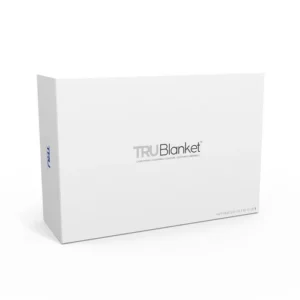
Apple Style Packaging
View Product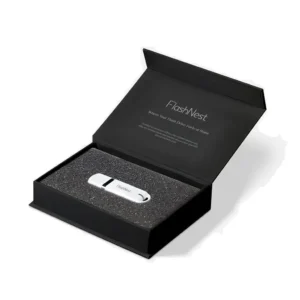
USB Packaging
View Product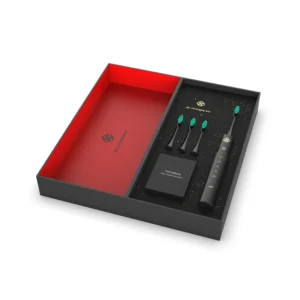
Electric Toothbrush Packaging
View Product
Adaptor Packaging
View Product
Power Bank Packaging
View Product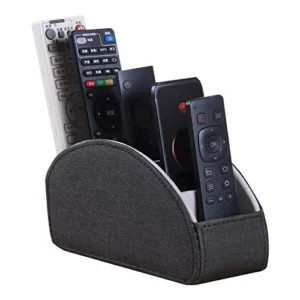
Remote Boxes
View Product
Headphone Packaging
View Product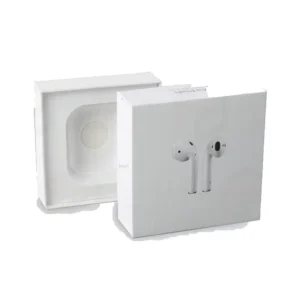
Custom Airpod Packaging
View Product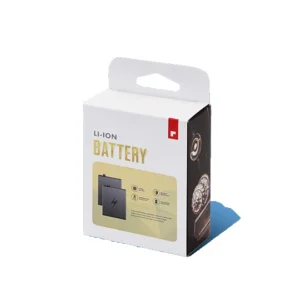
Mobile Battery Packaging
View Product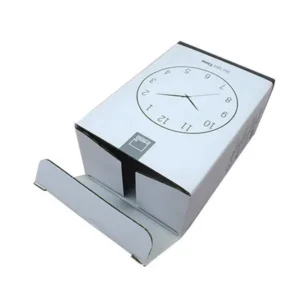
Clock Boxes Packaging
View Product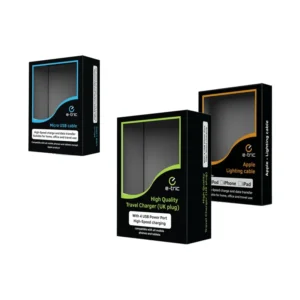
Phone Charger Boxes
View Product
Custom Mobile Phone Packaging
View ProductCustom Electronics Packaging for UK Tech Brands
Protect your electronic products and present them with packaging designed around their exact size, components and customer experience.
Any Custom Boxes creates custom electronics packaging for UK technology businesses, online retailers, product developers, manufacturers and independent electronics brands. From compact accessory cartons to protective boxes for complete devices, your packaging can be tailored around the product rather than forcing it into a standard-sized box.
Choose your preferred dimensions, box structure, board material, printed artwork and protective insert. Compartments can also be planned for cables, chargers, instructions and other accessories so that every item remains organised when the customer opens the package.
Whether you are preparing a new product launch, improving your existing packaging or moving from plain boxes to branded retail packaging, we help you develop a practical specification that supports protection, presentation and efficient packing.
Request a quote for your custom electronics packaging today.
Electronics Packaging Made Around Your Product
Electronic products can vary significantly in size, shape, weight and sensitivity. Packaging suitable for a charging cable may not provide enough protection for a smart device, screen, circuit board or piece of audio equipment.
Custom dimensions help create a more controlled fit around the product and any accessories included in the package.
Our custom electronic packaging boxes can be developed for:
- Mobile phone accessories
- Chargers and power adapters
- USB cables and data cables
- Earphones and headphones
- Speakers and audio products
- Smart watches and wearable devices
- Computer accessories
- Keyboards and computer mice
- Webcams and microphones
- Hard drives and storage devices
- Smart-home products
- Security cameras and sensors
- LED lighting products
- Remote controls
- Gaming accessories
- Small kitchen electronics
- Personal-care devices
- Electronic tools
- Circuit boards and components
- Product-development kits
- Internet of Things devices
- Replacement parts
- Refurbished electronics
- Promotional technology products
Tell us the product dimensions, weight, accessory list and intended sales channel. These details help determine the most suitable structure and internal layout.
Balance Product Protection with Customer Presentation
Successful electronics packaging needs to perform more than one function.
It should help:
- Hold the product in a stable position
- Reduce unnecessary movement inside the box
- Separate cables and accessories
- Protect delicate surfaces from rubbing
- Support the product during normal handling
- Present components in a logical order
- Display instructions and product information clearly
- Reinforce the identity of your brand
- Create an organised unboxing experience
- Fit efficiently into an outer shipping carton
Protection should be considered as a complete system. The outer box provides structure, while the insert controls movement and supports vulnerable areas of the product.
Simply selecting a thicker box does not always solve every packaging problem. A strong outer carton can still perform poorly if the product moves freely inside it or if pressure is placed on a fragile button, screen or connector.
Custom Electronics Boxes with Protective Inserts
Inserts help hold the main product and its accessories in defined positions. They can improve presentation while reducing product movement during packing, storage and delivery.
An insert can be designed to accommodate:
- The main electronic device
- Charging plugs
- Power adapters
- USB or charging cables
- Earphones
- Batteries
- Remote controls
- Replacement parts
- Instruction booklets
- Warranty cards
- Installation guides
- Product samples
- Promotional accessories
The most appropriate insert depends on the shape, weight and sensitivity of the product.
Cardboard Inserts
Cardboard inserts can be folded or die-cut to create product platforms, compartments and retaining tabs. They are suitable for many lightweight electronic devices and accessories.
They can also be printed to match the outer box or used in a natural Kraft finish.
Corrugated Inserts
Corrugated inserts provide additional structure and can be used for heavier devices, shipping boxes and products that need stronger internal support.
They can be designed as end caps, dividing walls, folded platforms or complete internal frames.
Moulded Pulp Inserts
Moulded fibre or pulp inserts can provide a shaped product cavity with a paper-based appearance. They may be considered for suitable projects where a consistent formed insert is required.
Development costs, tooling and minimum quantities should be considered during specification.
Foam Inserts
Foam can be cut around the shape of a device and its accessories to provide a fitted presentation. It is commonly considered for premium equipment, tools, demonstration kits and products with delicate surfaces.
Different foam materials behave differently, so the required density, finish and product compatibility should be confirmed before production.
Paper Padding and Wraps
Tissue paper, glassine-style wraps and paper cushioning can protect surfaces or improve presentation. These materials normally support the primary insert rather than replacing a properly fitted internal structure.
Packaging for ESD-Sensitive Electronic Components
Some electronic parts and assemblies can be affected by electrostatic discharge. Standard printed cardboard packaging should not automatically be treated as ESD-protective packaging.
Products that may require specialist consideration include:
- Bare printed circuit boards
- Semiconductors
- Memory modules
- Microcontrollers
- Sensors
- Integrated circuits
- Electronic assemblies
- Sensitive replacement components
- Development boards
- Industrial control components
Where electrostatic protection is required, tell us before the packaging is designed. The complete system may need suitable bags, trays, liners, foams or other specialist materials in addition to the printed outer carton.
Terms such as anti-static, static-dissipative and shielding do not necessarily describe the same level of protection. Your technical team or component supplier should specify the required packaging properties.
Do not describe a packaging format as ESD-safe solely because an anti-static-looking material has been added. The selected materials and complete packing process should be appropriate for the sensitivity and handling environment of the product.
Popular Electronics Packaging Box Styles
The right structure depends on the product weight, retail environment, packing process and desired customer experience.
Folding Cartons
Folding cartons are suitable for lightweight products such as cables, adapters, earbuds, small accessories and replacement components.
They are normally supplied flat and assembled during packing, helping businesses use storage space efficiently.
Available structures can include:
- Straight tuck-end boxes
- Reverse tuck-end boxes
- Auto-lock bottom cartons
- Crash-lock bottom boxes
- Seal-end cartons
- Hang-tab retail boxes
- Window cartons
Corrugated Mailer Boxes
Mailer boxes have an attached lid and a strong folded structure. They are popular for online orders, product launches, subscription products and direct-to-consumer electronics.
A fitted insert can hold the device securely while the inside of the lid carries instructions, brand messaging or setup guidance.
Corrugated Shipping Boxes
Corrugated shipping cartons are suitable for larger or heavier electronic products. They can be used as the main product box or as an additional outer carton protecting branded retail packaging.
The board grade and flute should be selected according to the product weight, box dimensions, stacking requirements and delivery environment.
Rigid Electronics Boxes
Rigid boxes create a substantial, presentation-focused package for premium devices, corporate technology gifts and flagship product launches.
They can be combined with fitted inserts, magnetic closures, lift-off lids or printed sleeves.
Two-Piece Boxes
A two-piece box consists of a separate lid and base. It offers a clean presentation for accessories, audio products, smart devices and gift sets.
The lid depth can be adjusted according to the desired opening experience and level of product visibility.
Sleeve and Tray Boxes
A sliding tray and outer sleeve create a structured reveal when the box is opened. Separate sections can be created for the main product and accessories.
This style works well for compact technology products, cables, earbuds, portable storage and smart accessories.
Magnetic Closure Boxes
Magnetic boxes provide a premium opening experience and can be used for presentation kits, demonstration equipment, corporate gifts and reusable-looking packaging.
Additional shipping protection may still be required when the magnetic box is sent through a parcel network.
Retail Hang-Tab Boxes
A die-cut or reinforced hanging section allows compact electronics and accessories to be displayed on retail hooks.
The position of the product, window and printed information should be planned around the hanging orientation of the carton.
Retail Electronics Packaging
Retail packaging needs to communicate quickly. Customers should be able to understand the product, compatibility and main features without searching through unclear information.
Your printed electronics box can include:
- Product name
- Brand logo
- Model number
- Product photograph or illustration
- Key features
- Compatibility information
- Technical specifications
- Included accessories
- Setup instructions
- Safety information
- Barcode
- Serial or batch information area
- Website address
- Customer-support details
- QR code
- Warranty information
- Recycling or disposal information
The front panel should remain clear and recognisable, while side and rear panels can carry supporting details.
Avoid placing important model numbers, barcodes, warnings or instructions across folds, cut lines, closure flaps or heavily textured finishing areas.
E-Commerce Electronics Packaging
Electronic products sold online may require both presentation packaging and shipping protection.
A complete e-commerce packaging format can include:
- The electronic product
- A fitted insert or retaining structure
- A printed retail or presentation box
- An outer shipping carton
- Paper cushioning where required
- Sealing and tamper-evident features
The branded product box should not be assumed to provide sufficient parcel protection unless it has been designed and assessed for that purpose.
When planning e-commerce packaging, consider:
- Parcel handling
- Drops and impacts
- Vibration during transport
- Compression from stacked parcels
- Moisture exposure
- Product movement
- Surface scratching
- Accessory separation
- Returns and reverse logistics
- Courier labels and sealing tape
Using an outer box that fits closely around the product packaging can reduce unnecessary movement and cushioning material.
Packaging for Product Launches and Influencer Kits
A new electronics launch often needs packaging that explains the product while creating a memorable first impression.
Launch and PR packaging can include:
- Premium rigid presentation boxes
- Printed mailer boxes
- Multiple product compartments
- Demonstration accessories
- Welcome cards
- Setup instructions
- Campaign messages
- QR codes linking to product videos
- Social media details
- Personalised sleeves
- Magnetic closures
- Foil-stamped logos
- Interior printing
The layout should guide the recipient through the product in a sensible order. The main device should remain the focus, with cables, manuals and accessories positioned so they are easy to identify.
A premium appearance should not come at the expense of protection. Presentation packs sent by courier may need a separate protective shipping carton.
Packaging for Refurbished Electronics
Refurbished products need packaging that is clean, organised and suitable for the individual device.
Custom boxes can help refurbished-electronics businesses create a consistent customer experience even when original packaging is unavailable.
Packaging can be designed for:
- Refurbished smartphones
- Laptops and tablets
- Computer accessories
- Audio equipment
- Gaming devices
- Replacement chargers
- Smart-home products
- Tested electronic components
The box can include compartments for the device, compatible charger, cable, testing information and warranty documentation.
Because refurbished stock can vary, consider whether one adaptable insert can accommodate several models or whether separate product-specific sizes are required.
Packaging Materials for Electronic Products
The material should be selected according to the product weight, box style, presentation requirements and delivery method.
Paperboard
Paperboard provides a smooth surface for detailed printing and is suitable for folding cartons, sleeves and lightweight retail packaging.
It works well for cables, chargers, earphones, adapters and compact accessories.
Kraft Paperboard
Kraft board has a natural brown appearance and can support simple, understated branding. It may be suitable for electronics businesses looking for a less heavily processed visual style.
Colours should be selected with the natural shade of the material in mind.
Corrugated Board
Corrugated board contains a fluted layer that provides additional structure. It is suitable for mailer boxes, shipping cartons, larger electronic devices and product bundles.
Different flute profiles can provide different levels of thickness, print appearance and structural support.
Rigid Board
Rigid board provides a strong, premium feel and is used for high-value products, presentation kits and flagship launches.
Rigid packaging can be wrapped with printed or textured paper and combined with a custom insert.
Recycled-Content Materials
Recycled-content paperboard and corrugated options may be available for suitable projects. Appearance, strength and print performance should be reviewed against the product requirements.
Material selection should be based on the complete packaging system rather than appearance alone.
Custom Printing for Electronics Boxes
Printed packaging helps customers identify your product and understand what is included.
Your design can feature:
- Full-colour product imagery
- Brand colours
- Technical diagrams
- Installation illustrations
- Simple icon systems
- Product benefits
- Compatibility charts
- Feature comparisons
- Interior brand messages
- Setup steps
- QR codes
- Support information
Depending on the material, quantity and design, suitable print methods may include digital, offset or flexographic printing.
CMYK Printing
CMYK printing is commonly used for full-colour artwork, photographs, gradients and detailed designs.
Colours displayed on a screen can appear different when printed, so final artwork should be prepared using the correct print colour settings.
Pantone Colour References
Pantone references can help maintain specific brand colours across a packaging range. The final result may still be influenced by the paperboard shade, coating and finishing process.
Interior Printing
The inside of the box can be used for setup guidance, a thank-you message, brand story, QR code or product-support information.
Interior messages should be positioned where they remain visible after the device and insert are removed.
Premium Finishes for Electronic Packaging
Finishing options can be used to create contrast, improve tactile presentation or highlight important parts of the design.
Matte Lamination
A low-shine finish that supports clean, minimalist and premium technology branding.
Gloss Lamination
A reflective finish that can increase colour vibrancy and create a polished appearance.
Soft-Touch Lamination
A smooth tactile finish often used for premium consumer electronics and presentation packaging.
Spot UV
Spot UV applies gloss to selected areas such as a logo, product image or feature icon while the surrounding surface remains matte.
Foil Stamping
Metallic foil can highlight logos, model names or small design details. Silver, gold and coloured foils can be considered depending on the artwork.
Embossing and Debossing
Embossing raises a selected design element, while debossing presses it into the packaging surface.
Die-Cut Windows
A window can reveal the product or a selected component. Its position should not reduce the protection needed for delicate surfaces.
Tamper-Evident Labels or Seals
A seal can help indicate whether the package has been opened. The appropriate method depends on the box structure, product and retail requirements.
Finishes should be selected according to their practical value as well as appearance. Combining too many decorative processes can make a design less clear and increase production complexity.
Design Separate Compartments for Accessories
Loose cables and adapters can move around inside a box, scratch the product or create an untidy presentation.
A planned internal layout can provide separate areas for:
- The main device
- Charging cables
- Wall plugs
- Adapters
- Batteries
- Remote controls
- Mounting components
- User manuals
- Warranty cards
Frequently used accessories should be easy to locate. Avoid placing important items underneath complicated layers unless the opening experience clearly directs the customer towards them.
Where possible, test the layout with real production components. Sample cables and adapters can differ slightly from drawings or early prototypes.
Packaging for Battery-Powered Electronics
Electronics containing batteries require additional planning.
When requesting packaging, provide details such as:
- Whether the battery is installed in the device
- Whether it is removable
- Whether spare batteries are included
- Battery dimensions
- Battery weight
- Battery chemistry
- Product orientation
- Required terminal protection
- Intended delivery method
- Destination market
Packaging design alone does not determine whether a battery-powered product is suitable for transport. The electronics business should confirm all applicable carrier, labelling, documentation and dangerous-goods requirements before shipping.
Do not rely on a printed box supplier to determine the complete transport classification of a battery or device.
Plan for Product and Packaging Testing
Packaging performance should be considered before committing to a large production order, particularly for fragile or high-value electronics.
Depending on the product and distribution route, assessment may include:
- Product-fit checks
- Insert-retention checks
- Assembly trials
- Pack-out trials
- Drop testing
- Vibration testing
- Compression testing
- Stacking assessment
- Temperature or humidity conditioning
- Courier or distribution trials
- Retail-display trials
Testing should use representative products, accessories, inserts, boxes and closure methods wherever possible.
A packaging design that performs well for one product may not perform in the same way after the device weight, accessory layout, board grade or shipping method changes.
Retesting should be considered when important parts of the product or packaging specification are altered.
Right-Sized Electronics Packaging
Oversized packaging can increase material use, storage requirements and delivery volume. Packaging that is too tight can place pressure on fragile components or make the product difficult to remove.
A right-sized box should provide:
- Enough room for the product and accessories
- Space for a properly designed insert
- Suitable clearance around vulnerable areas
- Efficient external dimensions
- Practical assembly
- Clear product presentation
- Appropriate shipping protection
Before confirming the dimensions, check whether the measurements refer to the bare device or the complete packed product.
Cables, plugs, manuals, protective films and adapters can change the amount of internal space required.
Packaging Considerations for Small UK Electronics Businesses
Start-ups and growing brands need packaging that remains realistic for their order quantity, storage space and packing process.
Before requesting a quotation, consider:
- Your initial production quantity
- Expected future order quantities
- Number of product models
- Number of artwork versions
- Product and accessory dimensions
- Packing location
- Available storage space
- Required delivery date
- Whether boxes should arrive flat
- Whether inserts require manual assembly
- Whether physical samples are required
- Retail or e-commerce use
- Outer shipping-carton requirements
- Possibility of product changes
Using one outer box for several related products may simplify ordering and storage. Different inserts or printed sleeves can sometimes be used to identify individual models.
However, a universal box should not compromise product protection or create excessive empty space.
Create a Consistent Electronics Packaging Range
A coordinated packaging system can make different products recognisable as part of the same brand.
Elements that can remain consistent include:
- Logo position
- Typography
- Product-name hierarchy
- Colour system
- Icon style
- Specification-panel layout
- Barcode location
- Support-information area
- Box-opening direction
- Insert presentation
Different models can then be identified using colour variations, product photography, model numbers or printed sleeves.
This approach can help customers navigate your product range while allowing the packaging to evolve as new products are introduced.
UK Electronics and Packaging Responsibilities
Businesses placing electrical products and packaging on the UK market may have responsibilities beyond the physical design of the box.
Depending on your business and products, you may need to consider:
- Electrical-product requirements
- Waste electrical and electronic equipment obligations
- Battery responsibilities
- Packaging data and producer responsibilities
- Recycling and disposal information
- Product and importer identification
- Required safety marks
- Technical documentation
- Instructions and warnings
- Retailer or distributor responsibilities
The necessary information can vary according to the product, business role and intended market.
Any compliance symbols, claims, warnings and legal information supplied for printing should be checked by the responsible electronics business before approving the artwork.
Packaging design and printing services do not replace independent product-safety, environmental, transport or regulatory advice.
How to Measure an Electronic Product for Packaging
Accurate measurements are essential for creating a suitable box and insert.
Measure the Main Product
Measure the product’s maximum:
- Length
- Width
- Height
Include raised buttons, lenses, feet, handles, connectors or other projecting components.
Measure Every Accessory
Record the dimensions of chargers, cables, adapters, batteries, mounting hardware and manuals.
Do not assume flexible cables require no space. Coiled cables can vary in diameter and height.
Identify Fragile Areas
Mark areas that should not carry pressure, including:
- Screens
- Lenses
- Buttons
- Ports
- Switches
- Antennas
- Connectors
- Decorative surfaces
Decide the Product Orientation
Determine how the product should be presented when the customer opens the box.
Allow for Protective Materials
Include space for bags, wraps, protective films, foam, cardboard supports or other required materials.
Confirm the Outer Pack
Decide whether the branded box will be delivered alone or packed inside a separate shipping carton.
How to Order Custom Electronics Packaging
1. Share Your Product Details
Provide the product type, dimensions, weight, accessory list and required quantity.
Include photographs, drawings or a physical sample where available.
2. Explain How the Packaging Will Be Used
Tell us whether the packaging is intended for:
- Retail display
- E-commerce delivery
- Product launches
- Wholesale distribution
- Refurbished products
- Industrial components
- Corporate gifts
3. Select the Box Structure
Choose a folding carton, mailer box, shipping box, rigid box, sleeve-and-tray format or another suitable structure.
4. Develop the Internal Layout
Plan the position of the device, accessories, documents and any protective insert.
5. Choose Materials and Printing
Select the board, print method and finishing options that suit the product and budget.
6. Review the Dieline and Proof
Check every measurement, panel, model number, barcode, warning, instruction and design element.
7. Test the Packaging
Where necessary, assess the fit, assembly and performance using representative products and packaging samples.
8. Approve Production
Once the final specification and artwork have been approved, the packaging can move into production.
Production and delivery times will depend on the box structure, material, quantity, insert, print process and selected finishes.
Why Choose Any Custom Boxes?
Any Custom Boxes helps businesses develop electronics packaging around their real products and packing requirements.
Your packaging can be specified with:
- Custom dimensions
- Product-specific inserts
- Accessory compartments
- Printed interior and exterior artwork
- Retail or e-commerce structures
- Cardboard, corrugated and rigid-board options
- Standard or premium finishes
- Multiple model variations
- Flat-packed formats
- Product samples and prototypes where available
- Quotations based on your required specification
We focus on creating packaging that helps organise, present and protect your electronic products without relying on a generic one-size-fits-all solution.
Frequently Asked Questions
What is electronics packaging?
Electronics packaging is packaging designed to hold, protect, present and transport electronic products or components. It may include an outer box, printed retail carton, fitted insert, protective bag and shipping carton.
Can you produce custom electronics boxes in any size?
Boxes can be manufactured according to custom dimensions. The final size should account for the device, accessories, protective materials and insert rather than the bare product alone.
Can I print my logo on electronic packaging boxes?
Yes. Your logo, colours, product imagery, specifications and instructions can be printed on the outside or inside of the box.
Which electronics can be packed in custom boxes?
Custom packaging can be developed for chargers, cables, headphones, speakers, smart devices, computer accessories, cameras, lighting products, circuit boards and many other electronic products.
Which box style is best for electronics?
The best style depends on the product. Folding cartons suit lightweight accessories, corrugated mailers suit many e-commerce products, shipping cartons support larger devices and rigid boxes create a premium presentation.
Can you create inserts for cables and chargers?
Yes. The internal layout can include separate spaces for cables, plugs, adapters, manuals and other accessories.
Which insert material should I choose?
Cardboard and corrugated inserts work well for many products. Foam may be considered for premium or sensitive equipment, while moulded pulp may suit suitable paper-based packaging projects.
The right option depends on product weight, surface sensitivity, required protection, quantity and budget.
Is standard cardboard packaging ESD-safe?
Standard cardboard packaging should not automatically be considered ESD-protective. Sensitive components may require specialist bags, trays, liners, foams or other materials with specified properties.
Tell us about any ESD requirements before the packaging is designed.
Can I use electronics packaging for shipping?
A printed electronics box may be suitable for shipping only when it has been designed and assessed for the intended distribution environment.
Many products require a separate corrugated outer carton and additional protection.
Can you create packaging for battery-powered products?
Packaging can be designed around devices containing batteries. You should provide information about the battery, product configuration and delivery method.
The responsible business must independently confirm applicable transport and dangerous-goods requirements.
Can electronics boxes include a retail window?
A die-cut window may be possible for suitable products. The size and location should be planned so that it does not reduce necessary protection or obscure important information.
Can I order packaging for several product models?
Yes. Several models can use a coordinated design system. Depending on their dimensions, they may use separate boxes, different inserts or model-specific sleeves.
Do the boxes arrive flat?
Folding cartons and many corrugated boxes are commonly supplied flat. Rigid boxes normally arrive assembled. The supply format depends on the selected structure.
Are recyclable electronics packaging options available?
Paperboard, Kraft and corrugated packaging may be considered for suitable recyclable packaging formats. The overall recyclability can be affected by inserts, laminations, windows, adhesives, magnets and mixed materials.
Confirm the complete material specification before making recycling claims.
Can I get a sample before production?
Proofing and sampling options depend on the structure, material, insert and print requirements. Ask for the available sample type when requesting your quotation.
What is the minimum order quantity?
Minimum order quantities depend on the box dimensions, structure, material, printing method, insert and finishing options.
Include your expected quantity in the quotation request so appropriate production options can be considered.
How long does custom electronics packaging take to produce?
Lead time depends on the box style, quantity, material, artwork approval, insert requirements and finishing processes.
The estimated production and delivery schedule should be confirmed as part of your quotation.