

































Category
pharma Boxes
Premium custom packaging products created for your brand.
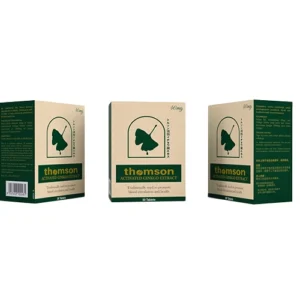
Herbal Product Packaging
View Product
Custom Toothpaste Boxes
View Product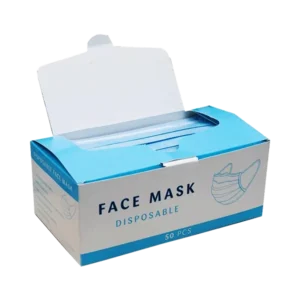
Facemask Boxes
View Product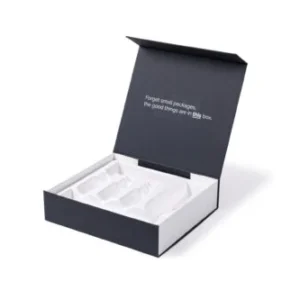
Medical Boxes With Insert
View Product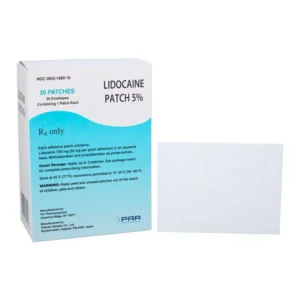
Pharmaceutical Patch Box
View Product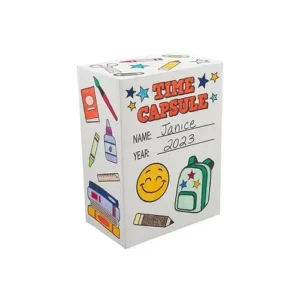
Capsule Boxes
View Product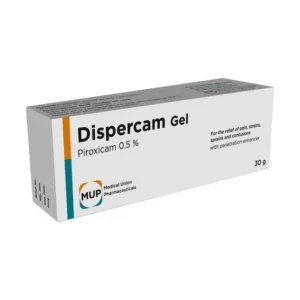
Pharma Gel Packaging Boxes
View Product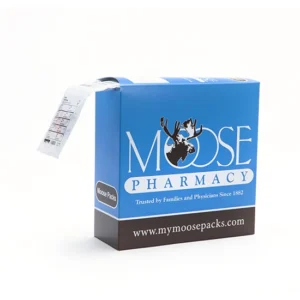
Custom Pill Boxes
View Product
Vial Boxes
View Product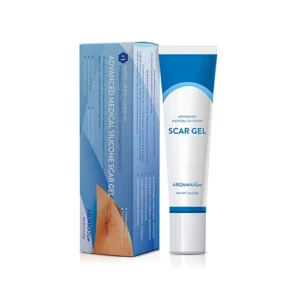
Custom Scar Gel Box
View Product
Custom Pill Bottles
View ProductCustom Pharmaceutical Boxes
Create clear, accurately produced pharmaceutical boxes around your approved product and artwork specifications. Any Custom Boxes supplies bespoke printed cartons for UK pharmaceutical manufacturers, marketing authorisation holders, contract packers, healthcare businesses and specialist distributors.
Packaging can be developed for blister packs, medicine bottles, tubes, sachets, inhalers and multi-component packs. Select the dimensions, structure, board specification, printing and internal fittings required for your project.
Pharmaceutical cartons should prioritise information clarity, consistent production and compatibility with the primary container.
Pharmaceutical Packaging Made Around the Primary Pack
The outer carton should be developed around the final primary packaging rather than an estimated size. A tablet blister requires a different depth and layout from a bottle, tube or inhaler.
Provide the finished dimensions and weight of the primary pack, including caps, pumps, seals and applicators. Where a patient information leaflet is included, its folded size and position should also be considered.
Cartons may be planned for tablets, capsules, liquid medicines, creams, inhalers, sprays, sachets, treatment kits and veterinary products.
A paperboard carton is usually secondary packaging. It should not automatically be treated as sterile packaging, a direct-contact container or a complete barrier against moisture, light, oxygen or temperature changes.
Custom Printed Pharmaceutical Boxes
Custom printed pharmaceutical boxes provide organised space for the approved medicine name, strength, pharmaceutical form, route of administration and required warnings. Artwork may also contain dosage directions where applicable, ingredients, storage information, licence details, batch and expiry areas, barcodes and business information.
The design should help users identify the correct product without relying only on colour. Similar names, strengths or layouts require careful differentiation.
Important information should remain clear after cutting, creasing, gluing and assembly. Text should not disappear into a fold or become covered by a label, seal or closing flap.
Any Custom Boxes produces from the final files supplied by the customer. The marketing authorisation holder or responsible business must approve the artwork and pack before production.
Clear Layout for Medicine Information
The medicine name and strength should be easy to locate, while the pharmaceutical form, route, instructions and critical warnings should be presented without unnecessary visual competition.
White space, readable contrast and consistent alignment can make a dense pack easier to understand. Decorative graphics should never reduce the visibility of required text.
For a product range, avoid making different medicines or strengths look almost identical. Colour may assist identification but should not be the only distinction.
Allow suitable areas for variable information such as the batch number and expiry date. The coding process and production tolerances should be discussed before the dieline is approved.
Braille, Leaflets and Dispensing Labels
Medicine cartons may require the product name in Braille. Tell us at the quotation stage when Braille is included in your approved specification so panel area and production feasibility can be assessed.
Where a patient information leaflet is required, the carton must provide enough space for the correctly folded leaflet without distorting the box or placing pressure on the primary container. Include the leaflet when testing the packed dimensions.
Prescription medicines intended for self-medication may also need an area for the pharmacy dispensing label. This space should not cover statutory information or the Braille medicine name.
Accessibility requirements should be considered from the first artwork draft rather than added after the layout is complete.
Cartons for Blister Packs, Bottles and Tubes
Blister-pack cartons should reflect the number, orientation and arrangement of the blister strips and leaflet. Straight tuck-end, reverse tuck-end and seal-end cartons may be considered depending on the packing process.
Bottle and tube cartons may need additional base support or a paperboard fitting. Measure filled bottles with closures fitted and tubes with their final sealed ends. A fitting can reduce movement, but it does not replace a validated primary closure or barrier system.
For multi-component packs, send the final dimensions of every item and show the intended arrangement. Test the structural sample using the actual products, leaflet and inserts.
Tamper-Evident and Child-Resistant Requirements
A standard folding carton should not automatically be described as tamper-evident, tamper-proof or child-resistant.
Where an approved specification requires tamper evidence, the structure may need glued ends, seals or perforations. Assess performance as part of the complete packaging system.
Child-resistant performance depends on the exact container-closure construction and appropriate testing. A printed box alone does not create a certified child-resistant pack. Required mechanisms, evidence and standards must be approved by the responsible pharmaceutical business.
Changes to materials, adhesives, blister orientation or internal components can affect an approved system, so repeat orders should be checked against the current specification.
UK-Only and Market-Specific Artwork
Packaging intended for the UK market should be developed from current UK-approved artwork. Do not assume that a carton created for another market can be supplied in the UK without changes.
Allow a clear position for every required market statement, licence number, code and warning. Maintain separate artwork versions for different products, strengths and destination markets.
For repeat orders, check file names, approval dates and revision numbers so outdated warnings, leaflet references or market statements are not printed accidentally.
Materials, Styles and Print Accuracy
Depending on the specification, boxes may use folding boxboard, paperboard, kraft board or corrugated material.
Folding cartons suit many blister packs, bottles and tubes. Corrugated structures may be considered for larger kits, distribution or outer shipping cartons. Possible styles include:
- Straight tuck-end cartons
- Reverse tuck-end cartons
- Seal-end boxes
- Crash-lock bottom cartons
- Sleeve-and-tray packs
- Cartons with paperboard inserts
- Corrugated distribution boxes
Pharmaceutical cartons require consistent colour, registration, cutting and creasing. Fine text, Braille, barcodes and variable-code areas need suitable tolerances and quality checks.
Send print-ready artwork with the approved dieline and identify areas that will receive later coding, labels or seals. Each product strength or version should have a clear file name and approval record.
Decorative finishes should only be used where they remain compatible with readability and the approved packaging requirements.
Pharmaceutical Boxes With Inserts
Custom inserts may be used where a pharmaceutical pack contains a bottle, applicator, device or several separate components.
Paperboard fittings and dividers can help organise the contents and create a consistent packing arrangement. Their dimensions should be developed around the final primary packs rather than photographs or estimated measurements.
An insert should not interfere with the patient information leaflet, closure, required seals or approved opening method. It must also avoid placing unnecessary pressure on a bottle, tube, blister or medical component.
Send physical samples or accurate technical drawings wherever possible. The complete pack should be assembled and assessed before a larger production order is approved.
Pharmaceutical Packaging for Distribution
A printed pharmaceutical carton may provide the product’s retail-facing secondary packaging, but it is not always a complete shipping solution.
Wholesale and courier distribution may require an outer corrugated carton, internal partitions or other protective components. The transport packaging should account for the finished weight, stacking conditions and handling process.
Do not rely on decorative finishes or lightweight retail board to provide transport protection for fragile bottles or multi-component kits. Plan the primary pack, secondary carton and outer distribution packaging as a coordinated system.
Wholesale Pharmaceutical Boxes
Wholesale quotations depend on dimensions, board, structure, printing, specialist requirements, inserts, artwork versions and quantity.
Consider possible artwork updates before ordering excessive stock. A large print run may become unusable when warnings, product information, licence details or market requirements change.
For repeat production, supply the current approved file and revision record rather than reusing an older version without review.
Where several strengths or product variations are required, keep separate approved artwork for every version. Clear version control helps reduce the risk of the wrong product details being applied to a carton.
How to Order Pharmaceutical Boxes
Send the final product dimensions, packed weight, required quantity, approved dieline and print-ready artwork. Include the primary container, folded leaflet and any insert where possible.
Explain whether the carton needs Braille, a dispensing-label area, batch and expiry coding panels, a barcode, tamper-evident structure or market-specific statement.
Before production, review the sample and proof carefully. Check the product name, strength, pharmaceutical form, route, warnings, directions, licence information, Braille, codes and leaflet fit.
Your regulatory or quality representative should provide final approval before the cartons enter production.
Request a tailored quotation from Any Custom Boxes for your pharmaceutical packaging project.
Frequently Asked Questions
Can you print approved medicine information on pharmaceutical boxes?
Yes. Supplied artwork can include approved information, warnings, barcodes and variable-code areas. The responsible business must approve the final content.
Can cartons be made for blister packs, bottles and tubes?
Yes. Bespoke dimensions can be developed around different primary packs and their patient information leaflets.
Can pharmaceutical boxes include Braille?
Braille may be considered where the required process and specification are confirmed. Provide the approved Braille content before requesting a quotation.
Are pharmaceutical boxes automatically child-resistant?
No. Child resistance applies to a tested complete packaging system, not an ordinary printed carton alone.
Can boxes include tamper-evident features?
Suitable structural options may be discussed where tamper evidence forms part of the approved specification. The complete system must be assessed and verified by the responsible business.
Can pharmaceutical cartons hold patient information leaflets?
Yes. Provide the leaflet’s final folded dimensions so sufficient internal space can be planned.
Can I order pharmaceutical boxes in bulk?
Yes. Pricing depends on the size, material, structure, printing, specialist features, artwork variations and order volume.